Local detail
When It Stops Being a DIY Job
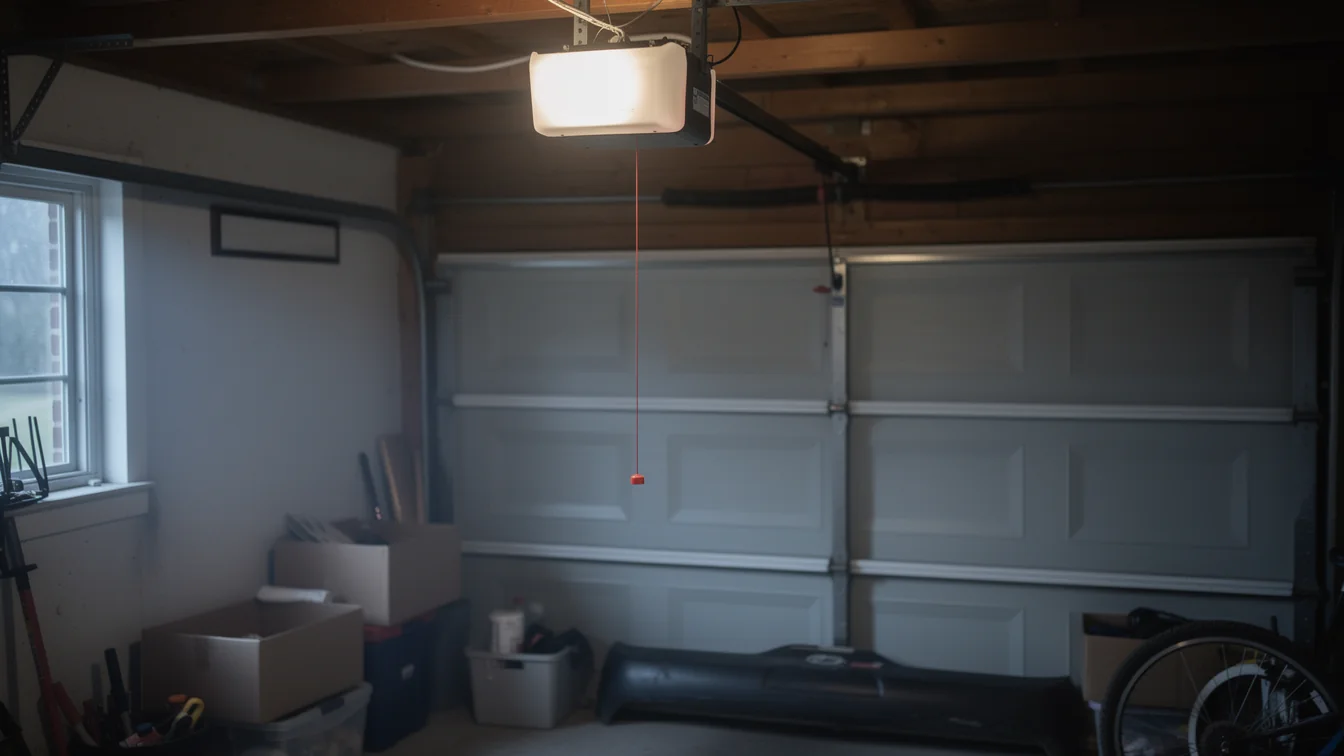
Most houses in the Syracuse service area went up between 1938 and 1987, with the typical build landing around 1961. That means a lot of doors out there still ride on original torsion hardware, or a replacement from decades back that was never matched properly to the opening. A worn roller or a loose hinge is a weekend fix. A torsion spring that's lost tension is not - those springs hold enough stored force to break a wrist or worse, and on a house this old the mounting hardware itself may have fatigued along with the spring. If the door is sagging on one side, if the cable has frayed, or if the opener is straining and reversing on its own, that's the line where a homeowner should stop and call someone, not because the job is impossible but because a cold-climate steel door under tension doesn't forgive a mistake. We won't talk anyone out of trying a panel swap or hardware tune-up themselves. We will say plainly that spring work on a house from this era, where the track and jamb may not be square anymore, is where DIY risk outweighs the money saved.
The area
What Local Conditions Do
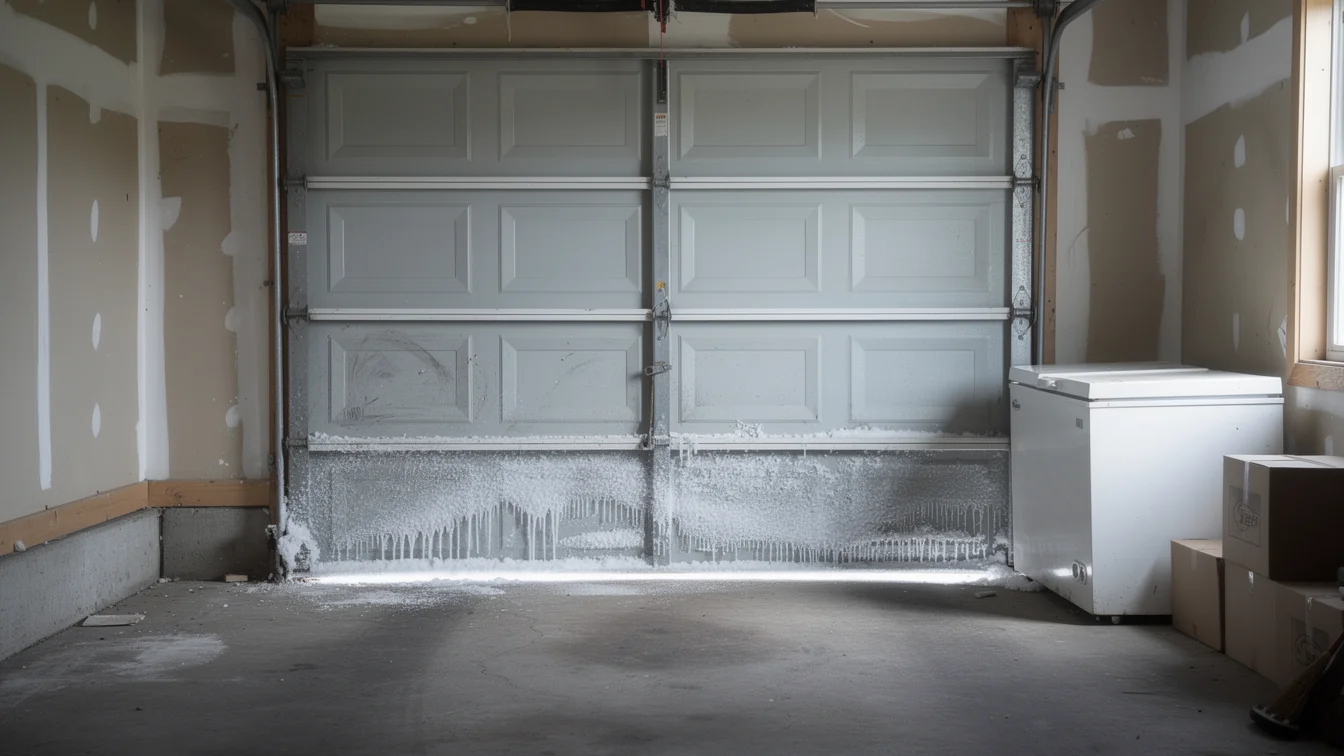
Syracuse sits in a cold climate band rated severe, and that matters more for a garage door than most people think. Steel panels contract in deep cold, which opens gaps at the weatherstrip and lets wind find its way through seams that sealed fine in September. Tracks that run even slightly out of plumb - common in houses built in that 1938-1987 window, where foundations have had sixty-plus years to settle - start binding harder once the grease in the rollers stiffens with cold. Ice that forms at the bottom seal can lock a door to the slab overnight, and forcing an opener against that ice is one of the fastest ways to strip a drive gear. None of this is dramatic, it's just wear that happens faster here than in a mild climate, and it's why a door that looked fine in August can start sticking, groaning, or dragging by January. If you're shopping for a replacement, insulation rating and cold-weather seal design aren't marketing extras in this area - they're the difference between a door that holds up and one you're servicing every winter.
What we find
What Is Going On
A lot of the service calls that turn into replacement conversations start the same way: a door that's original or near-original to a house built in the 1960s or 70s, now paired with a track, spring, or opener added at some later point that doesn't quite match. Across the 41 named areas in this market - from Westside and Eastwood close in, out through De Witt, Liverpool, and Baldwinsville - the housing stock skews to that same build era, so this isn't a one-house problem, it's a pattern. Panels sized for openings that were standard in 1965 sometimes don't line up cleanly with current track hardware, which means a repair that should take an hour turns into a half-day of re-fitting brackets. Sometimes the door itself is fine and it's the spring or the opener that's failed; sometimes the door has simply reached the end of its run and patching it again isn't worth the labor. We'll tell you which one you're looking at rather than sell a repair that won't hold. With a median household income of $76,094 across the area, most owners want a straight answer on whether to fix or replace, not an upsell.
How we work
What to Check
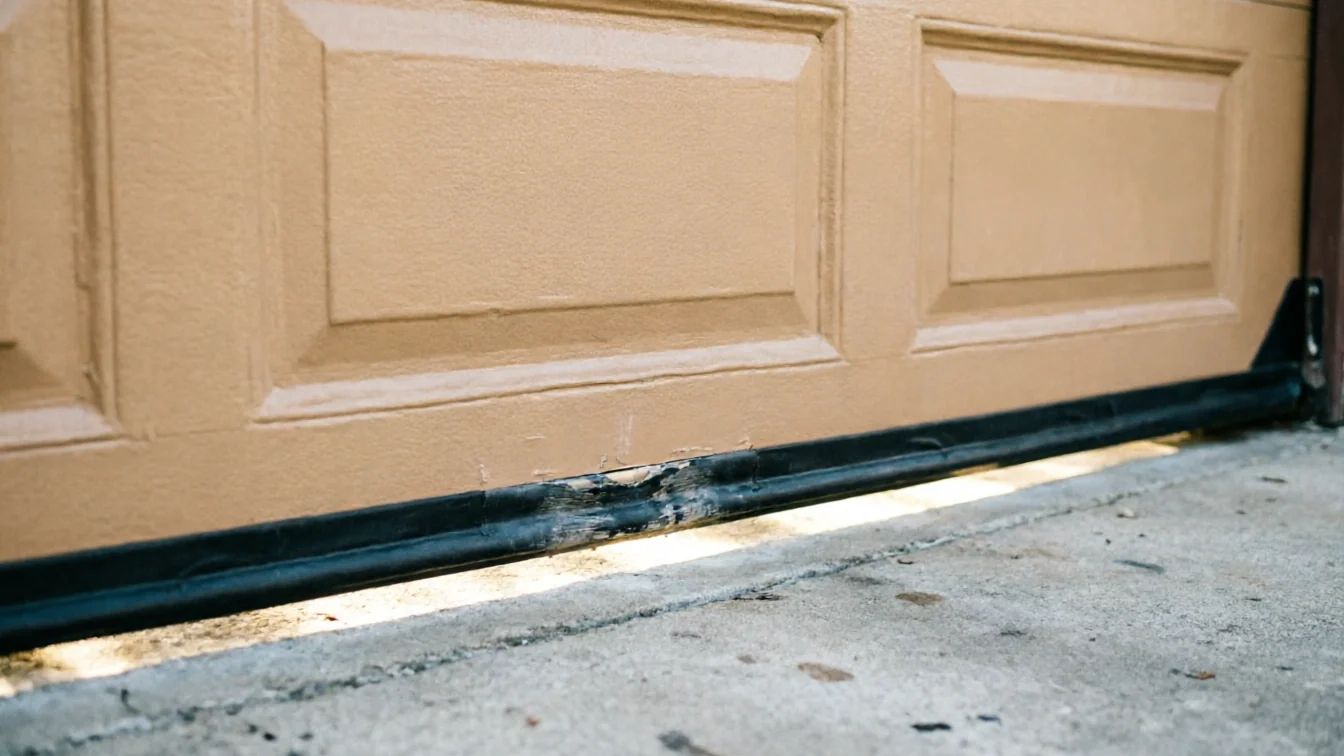
Before you decide on a repair or a full replacement, walk the door through a few basics. Check whether the tracks are plumb - set a level against the vertical rail, since houses from the 1938-1987 era often have slight foundation settling that throws tracks out over time. Look at the spring: a torsion spring with visible gaps between coils under load, or one that's rusted through, is near the end of its life. Check the bottom seal for cracking or hardening, since cold-climate rubber degrades faster than people expect. Listen to the opener - grinding or repeated reversal usually means the drive gear or the travel limits are off, not the motor itself. If you're replacing rather than repairing, ask about the insulation rating given the cold band this area sits in, and get the actual rough opening measured rather than assuming it matches a standard size, since older stock doesn't always. One limitation worth saying outright: if your opening is non-standard for this era of construction, parts lead time can run longer than a same-week fix, and that's worth planning around before the old door fails outright.
Talk to a local pro
Garage door trouble in Syracuse?
Same-day service with honest, upfront quotes.