Local detail
When It Stops Being a DIY Job
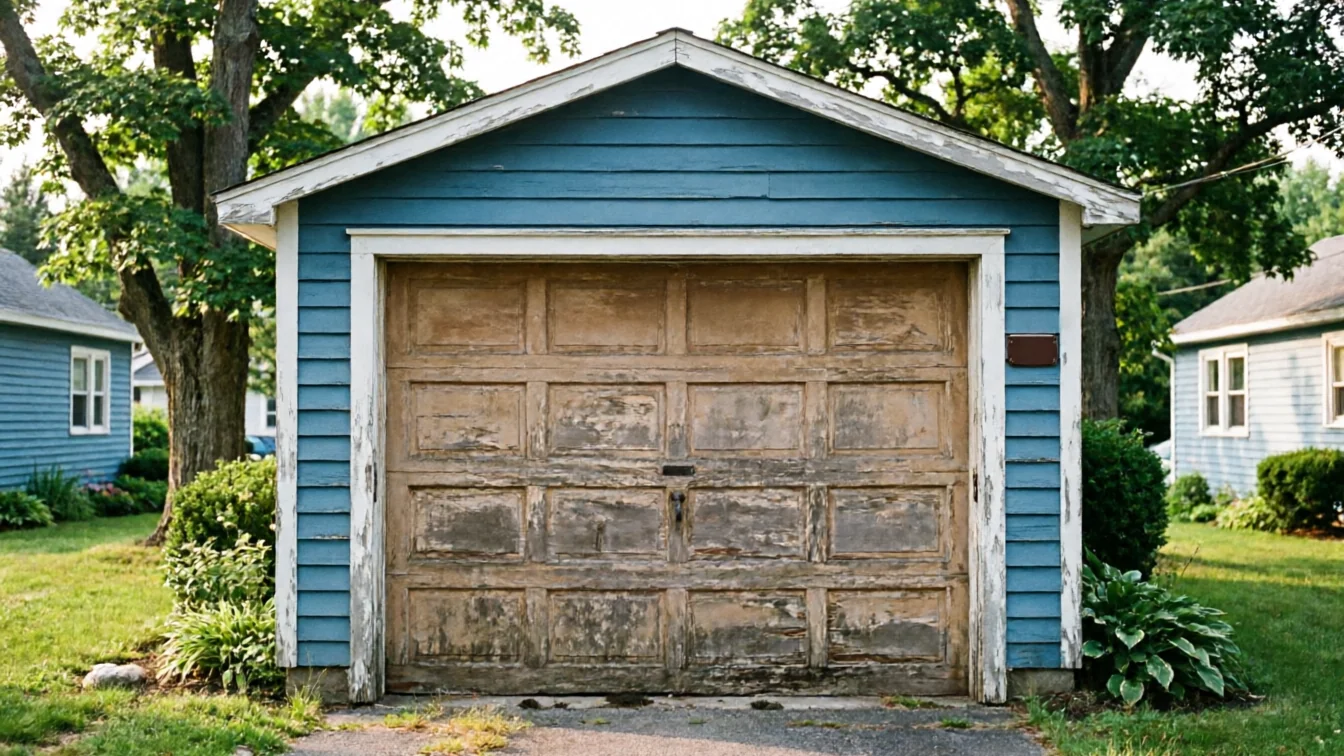
Most houses in the Syracuse service area went up between 1938 and 1987, with the median landing around 1961, which means a lot of original torsion hardware still hanging on. If your door still has the first spring, the first track brackets, and an opener bolted to joists that have shifted over sixty-plus years, you're past the point where a can of silicone spray fixes anything.
In close-in neighborhoods like Westside, Eastwood, and Northside, you're looking at doors and openers that are often older than the current homeowner's tenure. A cracked panel or a cable that's starting to fray isn't a weekend project on hardware that age - the drums, the end bearing plates, and the spring anchor brackets on a house from that era weren't built to be swapped piece by piece. Pull one part and the rest of the system shows its age fast.
Here's the honest limit: we can't tell you over the phone whether your specific door is a repair or a replacement. Torsion systems from the 1960s and 70s vary enough - some were upgraded at some point, some weren't - that it takes a hand on the shaft and a look at the drums to know which one you've got.
The area
What Local Conditions Do
Syracuse sits in a cold-severe climate band, so steel coils contract and expand hard every winter, and that cycle fatigues springs faster than a mild-climate town would. A torsion spring rated for a certain number of cycles gets there sooner when it's working through repeated freeze-thaw swings instead of a steady, moderate temperature.
Cold also thickens lubricant in rollers and hinges, which means more resistance on the opener's gear, more strain on the drive mechanism, and a door that sounds rougher in January than it did in July. Slab heave from frost is another factor - concrete aprons in this climate shift slightly season to season, and that changes how square the bottom panel sits against the track over time.
None of this is unique to one house. It's what every door in this climate band deals with, which is why hardware installed decades ago, before manufacturers accounted for this kind of cycling as closely as they do now, tends to show wear in specific spots: spring coils, bottom brackets, and the weld points on older track sections.
What we find
What Is Going On
Across the 41 named areas that make up the bulk of this stock, most doors date to the 1960s and 70s, not last decade. That combination - original-era hardware plus a cold-severe climate doing its slow work on steel - is what actually drives most of the service calls we see. A spring that's lost tension doesn't usually snap out of nowhere; it's been losing cycles for years under repeated cold stress, and the day it lets go just happens to be the day someone notices.
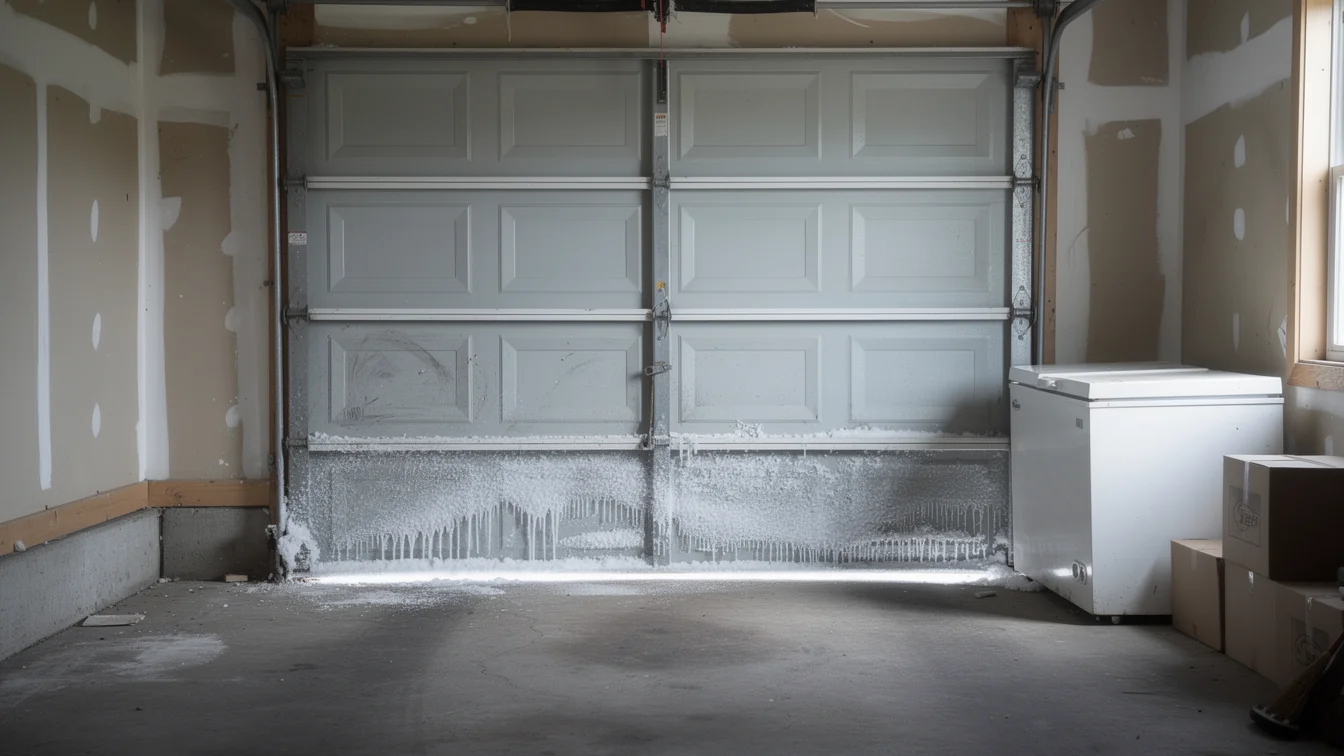
Rust at the bottom panel seams is another pattern tied to this housing age - older galvanized coatings weren't as thick as what goes on doors today, and decades of winter salt spray off the driveway eat into that coating faster than people expect.
Track misalignment is the third common thread. Houses from this build era often have garages set on slabs that have shifted slightly over sixty years, and a track bolted straight and true in 1965 isn't always straight and true now. That shows up as a door that binds on one side or rollers that wear unevenly.
How we work
What to Check
Start with the spring. If it's the original single torsion spring on a door wider than 8 feet, that's an undersized setup by current standards and worth a second look regardless of how it's performing today. Look for a gap in the coils when the door is down - a visible gap means the spring has let go.
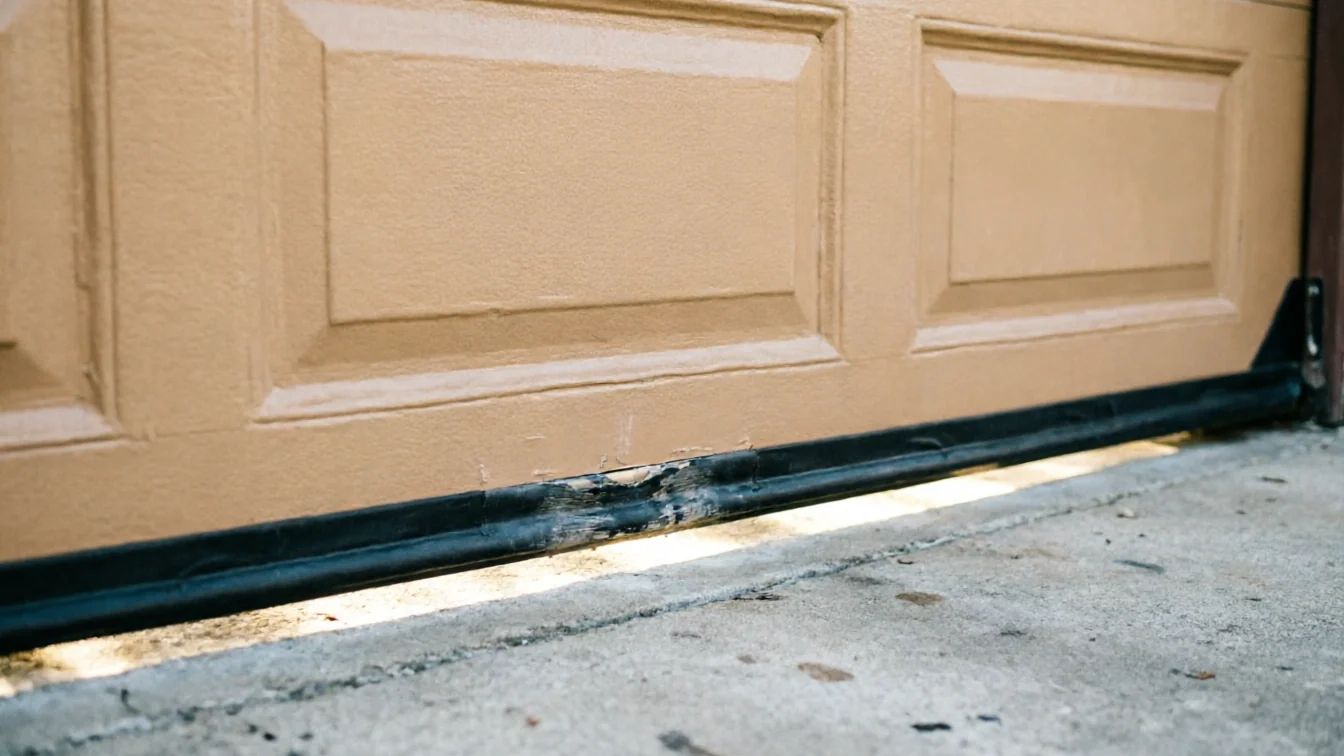
Next, check the bottom panel for rust blistering, especially near the corners where road salt collects. Surface rust is cosmetic; rust that's lifted the paint and reached bare metal is structural and won't improve.
Run your hand along the track for binding points, and watch the door through a full cycle for a wobble or a hitch at the same spot every time - that's usually a bent section, not a one-time snag.
With a median household income of $76,094 in this area, replacing a worn-out door is a real budget decision, not an impulse buy. That's exactly why it's worth knowing whether you're looking at a spring job or a full door before committing to either one. We can help you tell the difference.
Talk to a local pro
Garage door trouble in Syracuse?
Same-day service with honest, upfront quotes.