Local detail
When It Stops Being a DIY Job
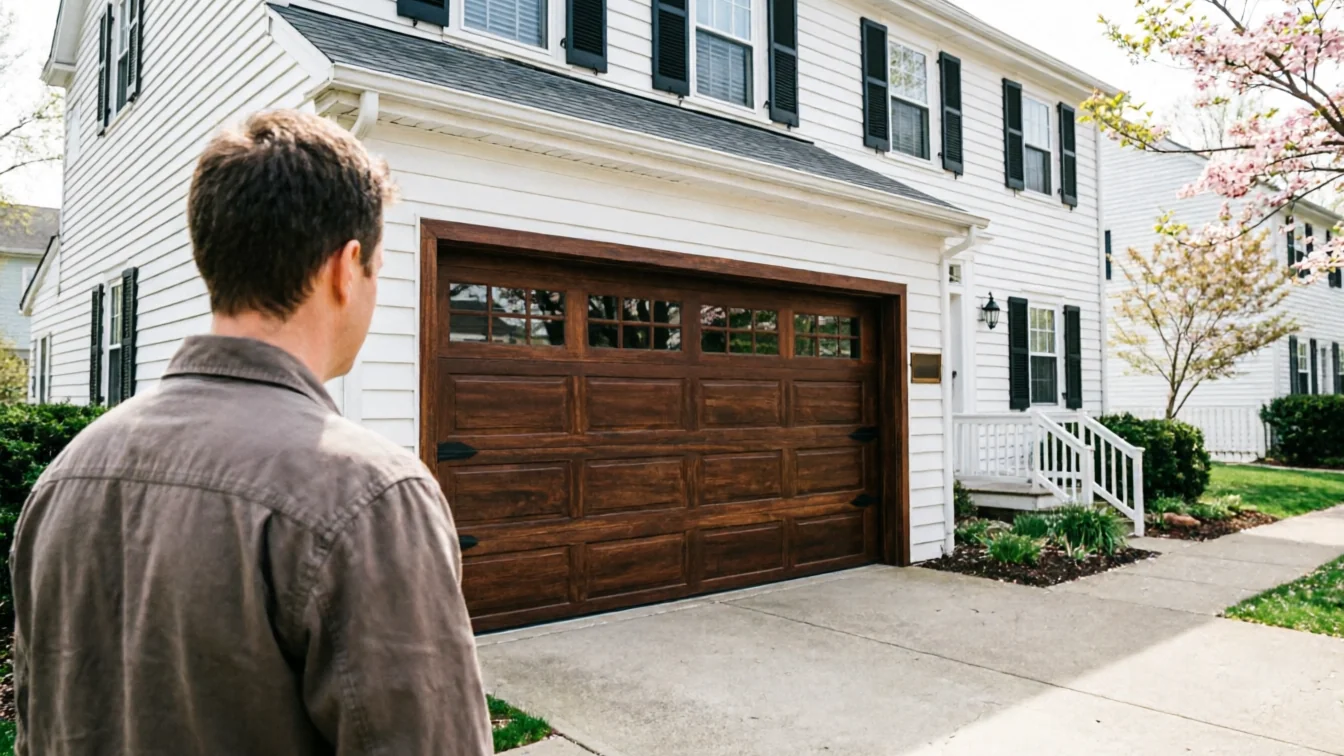
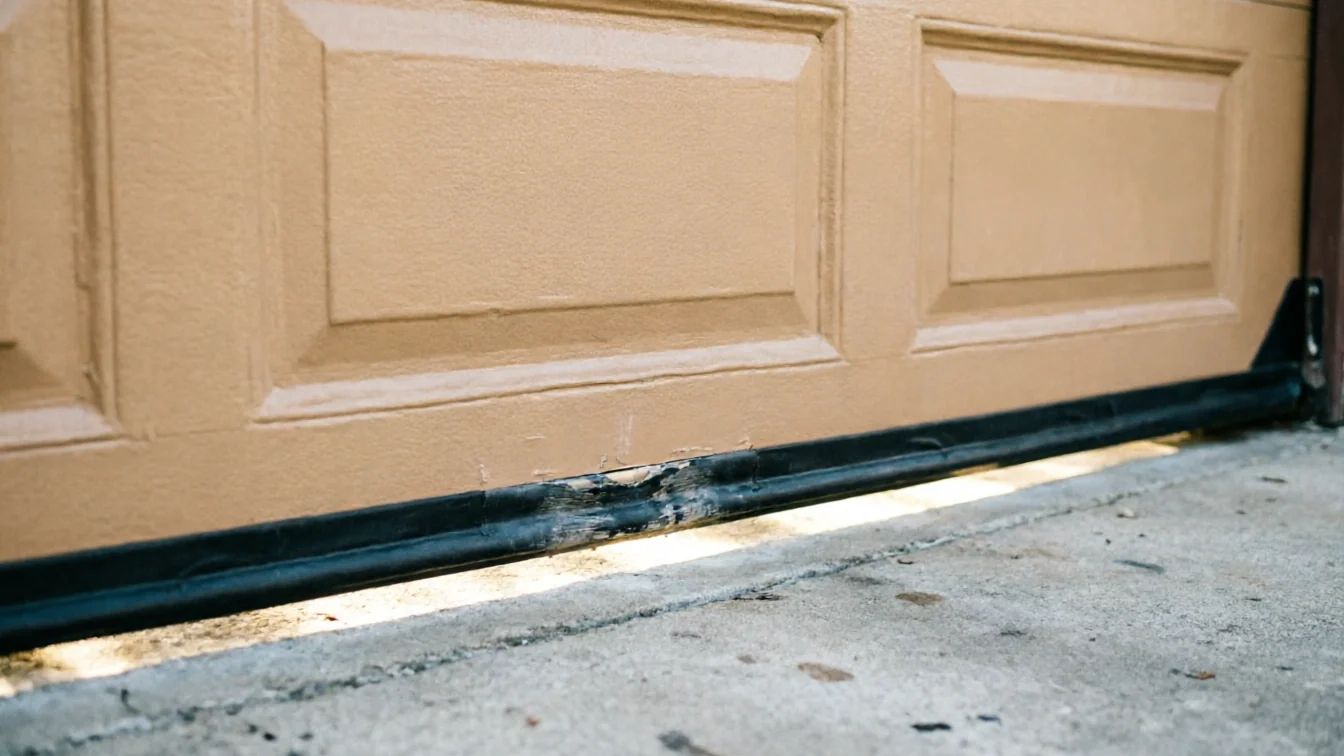
A tube of weatherstripping and an afternoon will fix a lot of draughts, but not all of them. Across the 135,401 households in our service area, the garage door is often one of the last original parts of a mid-century house, and once the bottom seal has hardened past a certain point, no amount of pressing new vinyl into the old track solves it. If the door itself has bowed, or the track has rusted out of square from decades of melt water running under it, a new seal just hides the problem for a season. We'll tell you straight when a $20 seal kit is the right call and when the door or track needs replacing instead - we're not going to sell you a seal job on a door that's structurally done. The honest line is this: if daylight shows under more than one spot along the bottom, or the gap isn't even corner to corner, that's a track or slab issue, not a seal issue, and it's worth a call before winter rather than during it.
The area
What Local Conditions Do
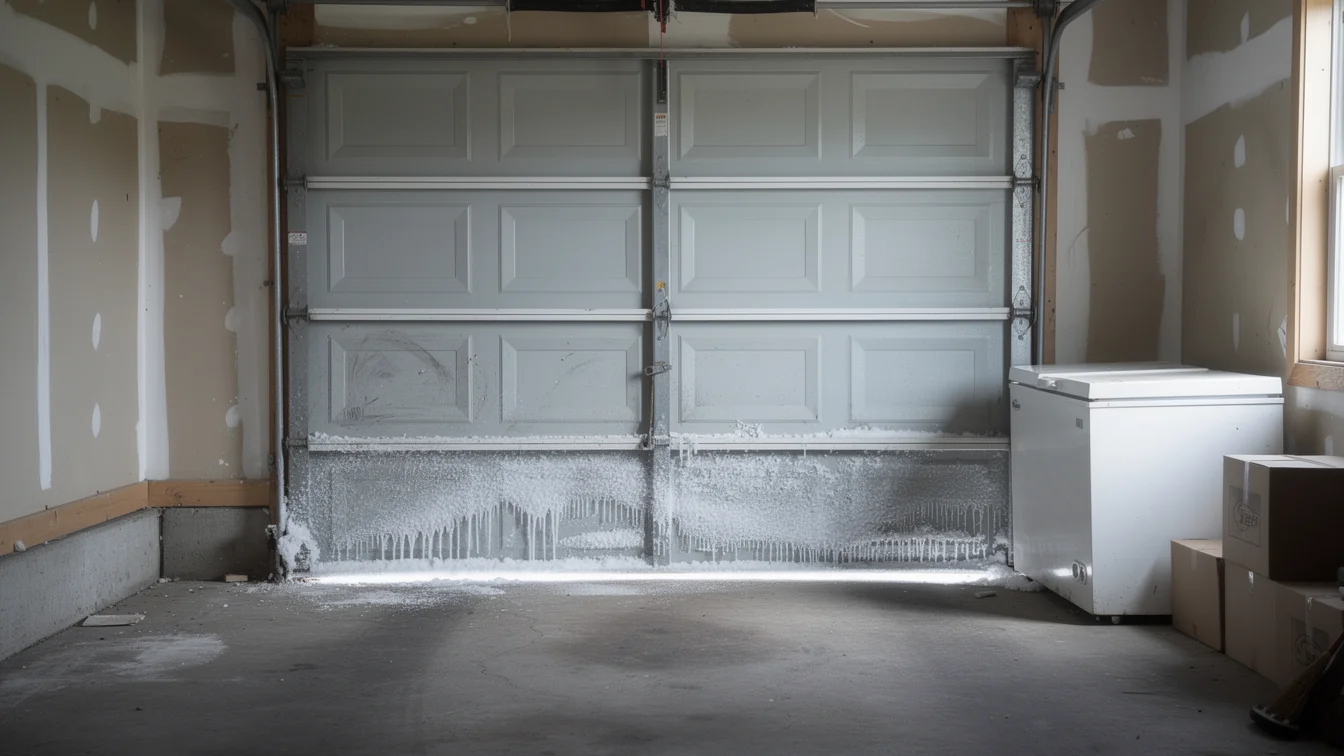
Syracuse sits in a climate band rated severe cold, which changes what a worn seal actually costs you. In a milder climate, a gap under the door is a nuisance. Here, it's where wind-driven snow gets pulled in under the panel, melts against a warmer slab, and refreezes overnight - which is how a door that closed fine on Tuesday is frozen to the floor by Thursday. The cold doesn't just make the house colder through the gap; it works on the rubber itself. Vinyl and rubber seals go stiff and brittle faster when they're cycling through freeze-thaw for months at a stretch, and a seal that's cracked rather than just worn won't flex back down against the slab even when you press it flat. That's a different repair than a seal that's simply flattened from age. Anyone telling you a draft stopper or a foam kit solves this in a severe-cold climate is selling you a patch, not a fix - those help on a mild day but won't hold once temperatures swing hard.
What we find
What Is Going On
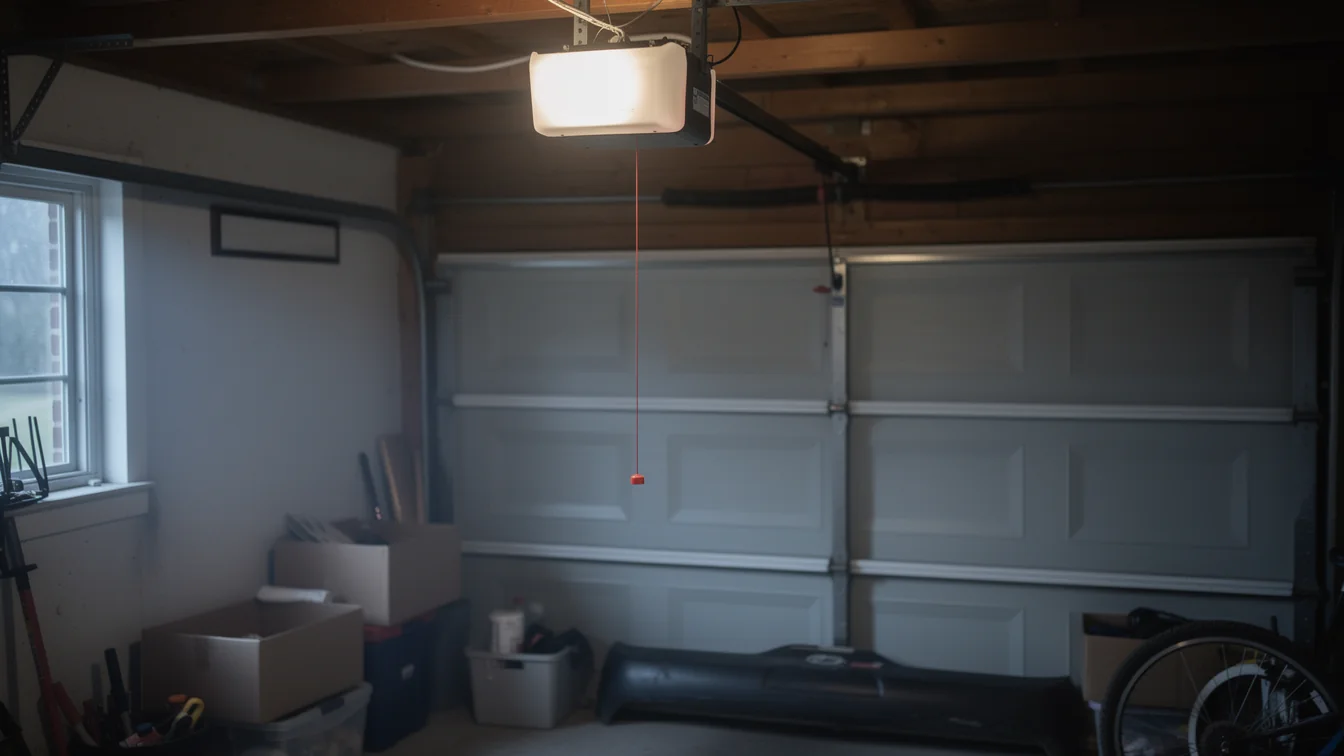
Most of the housing stock here, across the roughly 41 named areas we see jobs in, went up between 1938 and 1987 with the median build year landing around 1961. A door and track installed, or replaced once, during that stretch has had sixty-plus years of Syracuse winters to work on it. In neighborhoods like Westside and Eastwood, where that 1960s-70s building wave is heaviest, we see the same pattern over and over: steel doors with foam-backed bottom seals that have gone rigid, tracks that have dropped slightly out of level as the slab settled, and weatherstripping channels that were never resized when a replacement seal was installed. None of that is a defect in the door - it's just what sixty winters do to rubber and steel. The draft you feel standing next to the door usually isn't coming from one failure. It's the seal, the gap where the track meets the slab, and the corner trim all contributing a little, which is why patching only the obvious spot rarely finishes the job.
How we work
What to Check
Start at the bottom. Close the door and run your hand along the seal from one side to the other - stiff, cracked, or flat-in-one-spot rubber won't seal no matter how hard the door comes down on it. Next, check the vertical seals on both sides of the door where it meets the frame; these dry out and shrink faster than the bottom seal because they get direct sun on one side and cold frame on the other. Look at the corners where the slab meets the jamb - a gap here usually means the slab has settled slightly, which a seal can't fix on its own. If you've got an older door from the neighborhood's original building wave, check whether the seal channel matches a standard retail seal size; a lot of these older tracks were cut for a thicker or thinner profile than what's sold today, and forcing the wrong size seal in just creates a new gap. If daylight shows evenly along the whole bottom edge when the door's closed, that's usually a straightforward seal swap, not a bigger job.
Talk to a local pro
Garage door trouble in Syracuse?
Same-day service with honest, upfront quotes.