Syracuse, NY
Garage Door Maintenance Built for Syracuse's Housing Stock and Winters
Syracuse homes built mostly between 1961 and the late 1970s face hardware fatigue from cold-climate cycling. Maintenance that targets that housing stock, not a generic checklist.
- Garage Door Repair
- New Door Installation
- Springs & Openers
Where This Job Goes Sideways
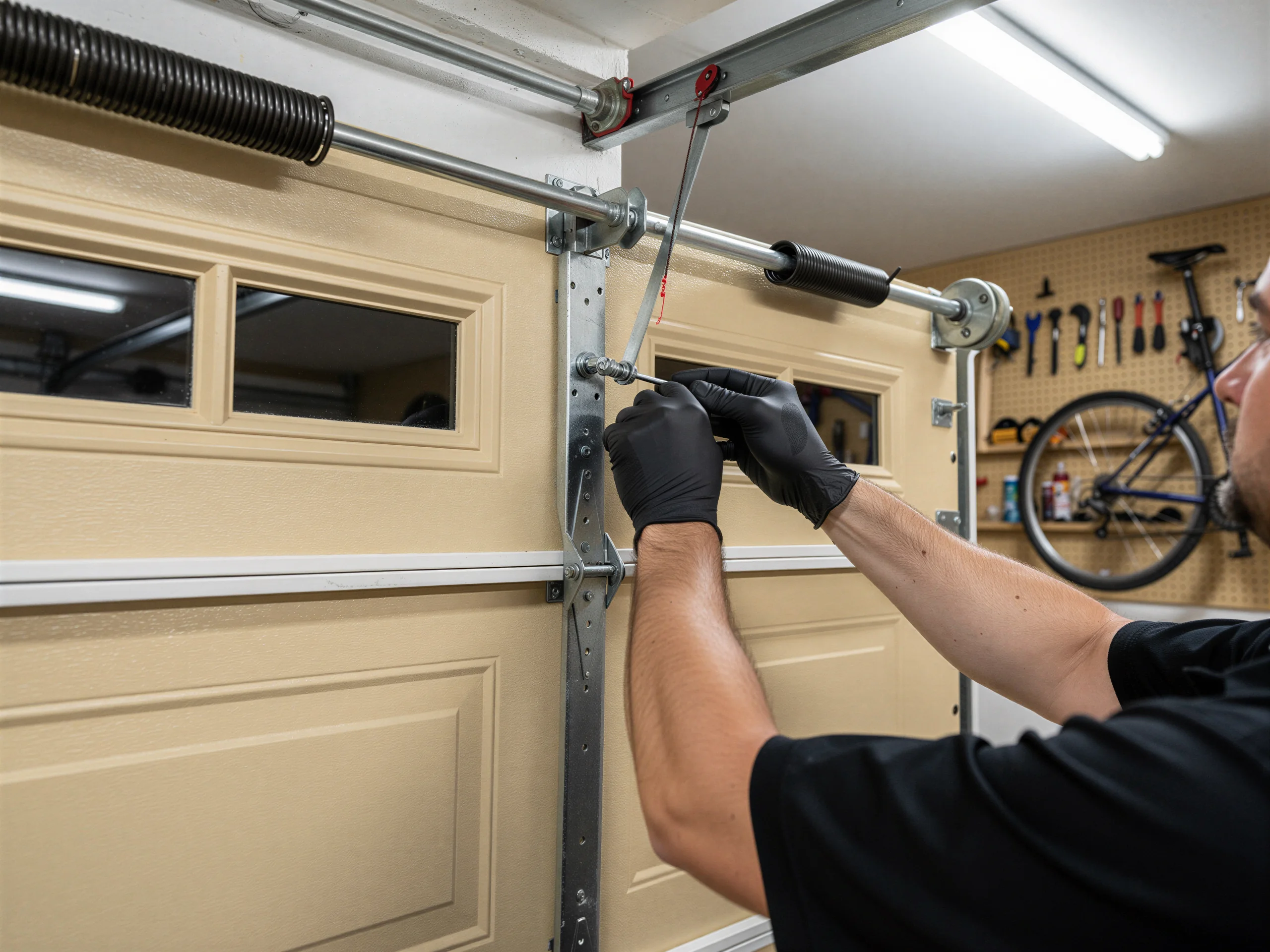
Maintenance goes wrong in this climate when someone lubricates the track and calls it done without touching the spring. Grease on a worn roller doesn't fix a spring that's lost thirty percent of its lift, and a door that still opens smoothly in the shop can fail at the owner's house a week later once it hits a real cold snap. We've also seen maintenance visits where the tech didn't check the torsion spring's winding cone for the kind of stress cracking that's common on hardware this old - a crack you can't always see without removing the cone, and one that can let a spring let go under load. The other place this goes sideways: assuming a door built in the 1960s or 70s has standard modern hardware sizing. It often doesn't, and ordering the wrong cable or roller size means a second trip and a delayed fix in the middle of winter, which is the worst time to have a garage door stuck half-open.
The Cost of This Job
We don't have a flat number to quote you here, and anyone who gives you one sight unseen is guessing. What drives the cost on a maintenance visit in this area is usually the age of the hardware, not the brand of the door.
Original maintenance-era parts
A good chunk of the 75,232 owner-occupied houses across this service area were built between 1938 and 1987, with most of that stock going up in the 1960s and 70s. That means springs, cables, and rollers that are original or one replacement generation removed from original - parts that have seen forty or fifty winters of expansion and contraction.
Preventive catch savings
A tune-up on a door like that often turns up a worn roller or a spring losing tension before it snaps, and catching it during a maintenance call costs less than an emergency callout after it fails on a Tuesday morning when it's 10 degrees out.
No invoice padding
We'll tell you straight if a part needs replacing instead of padding the invoice with a service that won't hold. Median household income here is $76,094, and most of the owners we see are trying to get five more years out of hardware before a full replacement, which is a reasonable goal if the door's track and frame are still sound.
Why It Happens Here
Syracuse sits in a severe cold climate band, and that's the part a lot of maintenance checklists written for warmer states miss entirely. Cold doesn't just make a door feel heavy in the morning - it changes how steel behaves. Torsion springs lose a measurable amount of lifting force as temperature drops, and repeated freeze-thaw cycling fatigues the coil faster than steady cold would on its own. Combine that with housing built mostly in the 1960s and 70s across the named neighborhoods in this service area, and you get a specific failure pattern: galvanized springs rated for a service life that assumed a milder swing, now well past it. Garages that aren't insulated - common in houses from that era - see the widest daily temperature swings of any part of the house, which is also why rollers and hinges corrode and bind faster here than they would in an attached, heated space. This isn't a universal garage door problem. It's what happens when 1960s hardware meets Syracuse winters for decades without anyone checking the spring tension or regreasing the track.
The Symptom
The door that worked fine in September and started groaning, jerking, or hesitating halfway up once the cold set in - that's the tell. On a torsion spring losing tension from age and cold, you'll often hear a new noise before you see a new problem: a grinding or popping sound as the spring coils rub against a worn winding cone.
Freezing reversal faults
On the opener side, a door that reverses for no reason in freezing weather usually means the travel limits were set when the hardware was warm and flexible, and they're not accounting for how much stiffer everything gets at 15 degrees.
Stutter partway up
If a door that opened at a normal speed now visibly slows or stutters a third of the way up, that's usually a spring that's lost enough tension that the opener is doing work it wasn't built to do alone.
Off-season visit timing
None of these show up in July. They show up in January, which is exactly when a maintenance visit in October or November is worth more than one in the spring.
Questions
Common questions
How often should I get my garage door serviced in Syracuse?
With Syracuse's severe cold winters putting extra strain on springs and hardware, once a year before the cold sets in catches most issues before they turn into an emergency repair. Houses with original 1960s-70s hardware benefit from more frequent checks since the parts are older and closer to end of life.
Why does my garage door get harder to open in winter?
Cold steel loses lifting force, so a torsion spring that's fine in summer can struggle in January. This effect is worse on older springs common in Syracuse's 1960s and 70s housing stock, since decades of freeze-thaw cycling has already fatigued the metal before winter even starts.
Is maintenance worth it on an older garage door?
Usually yes, if the track and frame are sound. A lot of the houses in this service area were built between 1938 and 1987, and the hardware on many of them is original or close to it. A tune-up often catches a worn roller or weakening spring before it fails outright, which costs less than an emergency repair.
Explore more
Explore More Services In Syracuse, NY
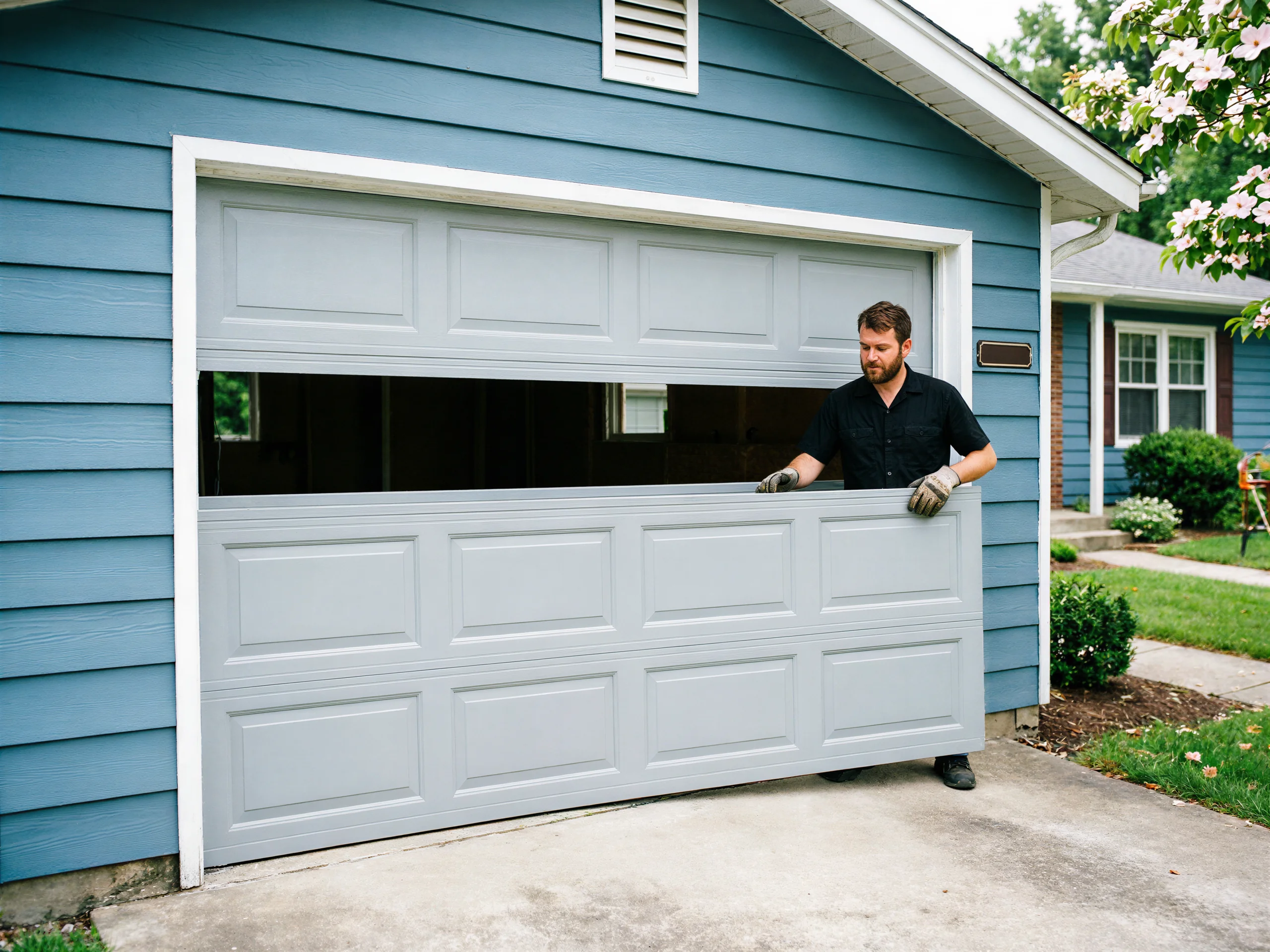
Garage Door Installation for Syracuse's Older Housing Stock
New garage door installation for Syracuse homes built 1938-1987, matched to original openings and rated for severe cold winters. Learn more →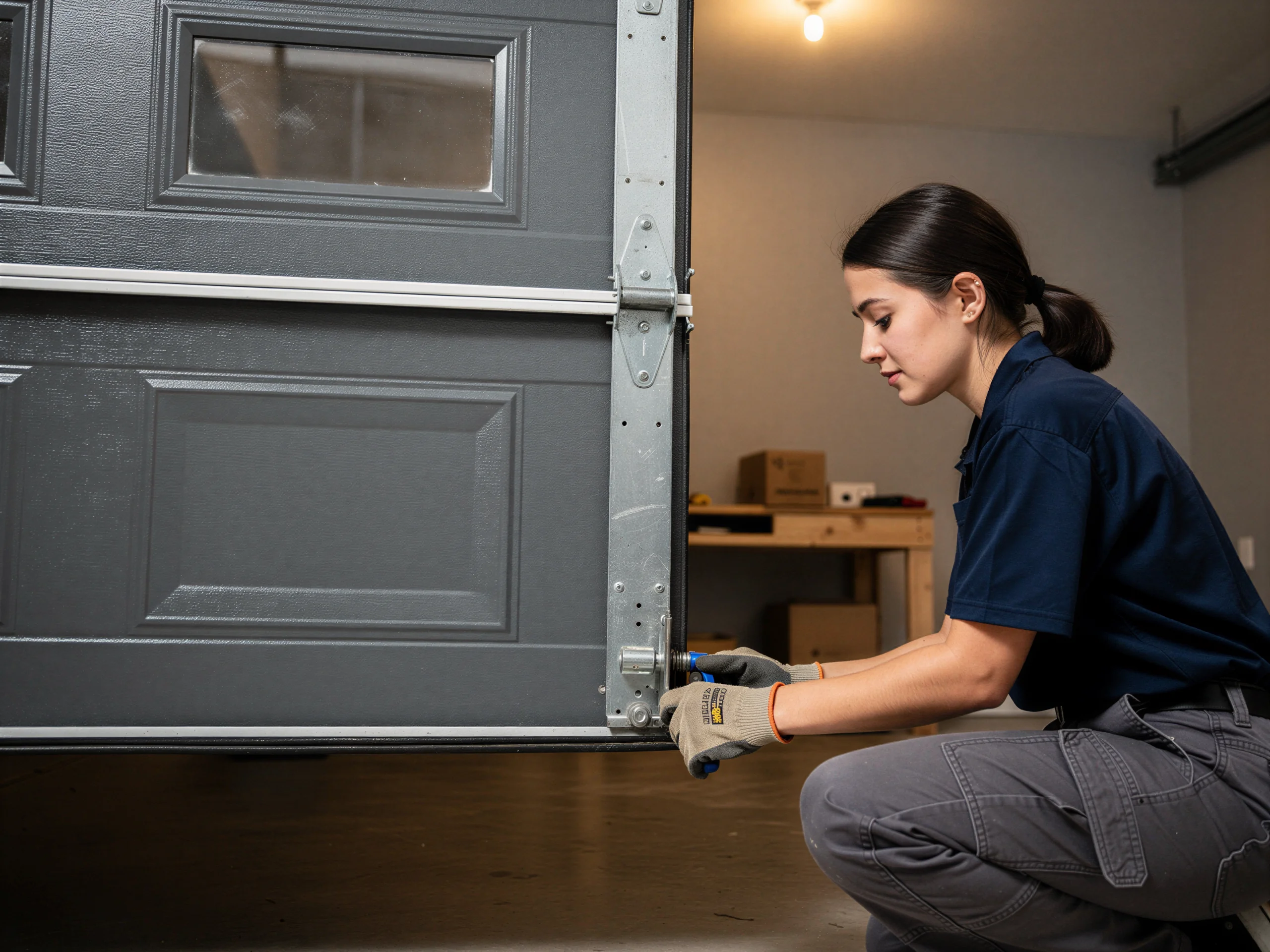
Garage Door Repair for Syracuse's Older Housing Stock
Garage door repair for Syracuse homes built mostly between 1938 and 1987, where cold-climate wear hits torsion springs and original hardware hard. Learn more →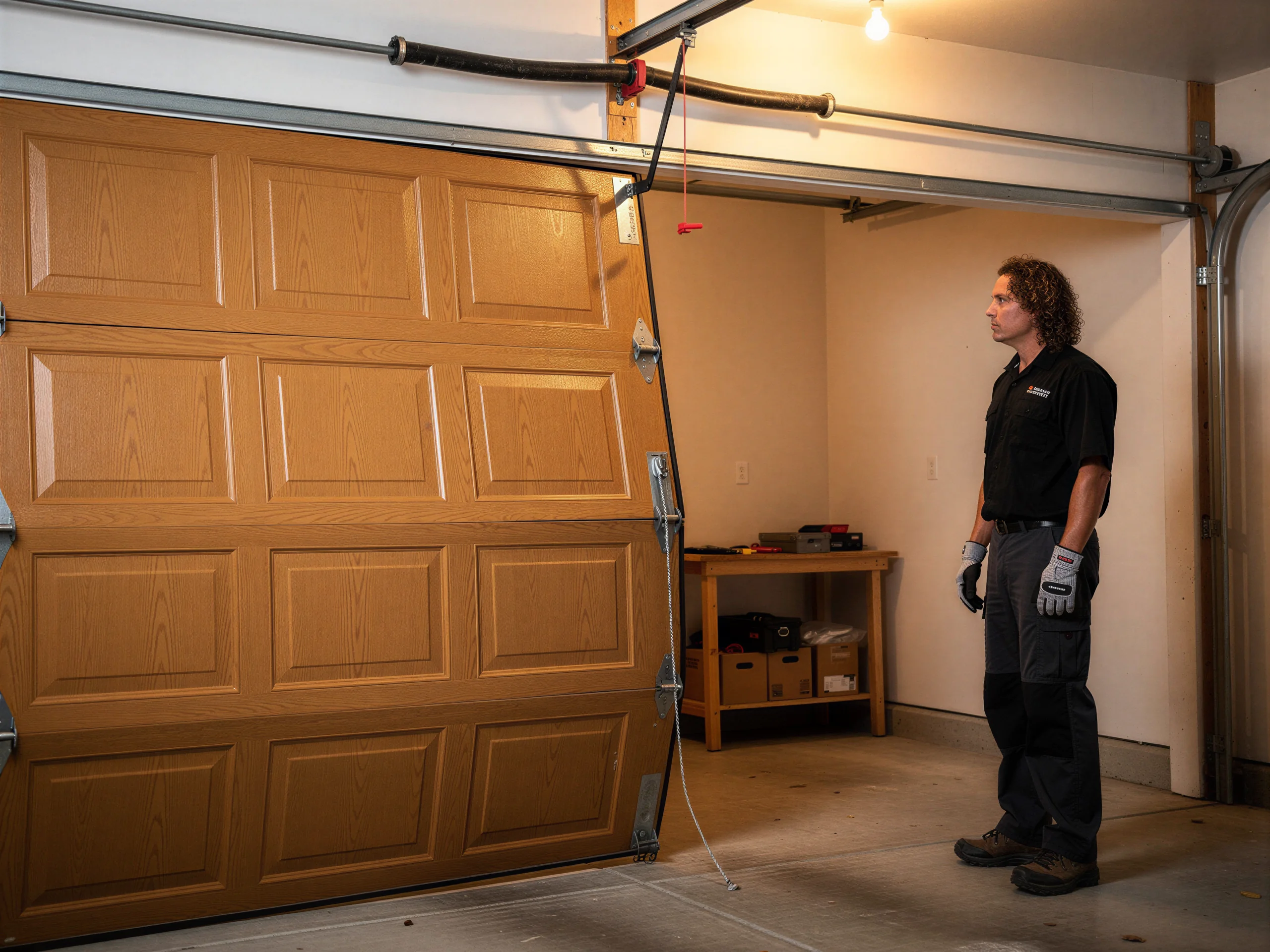
Garage Door Cable Repair for Syracuse Homes
Broken or frayed garage door cables are common in Syracuse's 1960s-era housing stock and cold winters. Learn more →
Garage Door Service for Syracuse's Older Housing Stock
Garage door service for Syracuse homes built mostly between 1961 and the 1980s, sized for the cold-climate wear that breaks springs and openers here. Learn more →
Emergency Garage Door Repair in Syracuse
Broken spring or dead opener in Syracuse's cold snap? Learn more →
Garage Door Opener Installation for Syracuse Homes
Opener installs and swaps for Syracuse homes built mostly in the 1960s and 70s, sized for cold-band winters and the city's older garage framing. Learn more →Ready when you are
Time for a garage door tune-up in Syracuse?
Syracuse Garage Door Pros repairs and installs garage doors, springs and openers in Syracuse, NY and the surrounding area.