Local detail
When It Stops Being a DIY Job
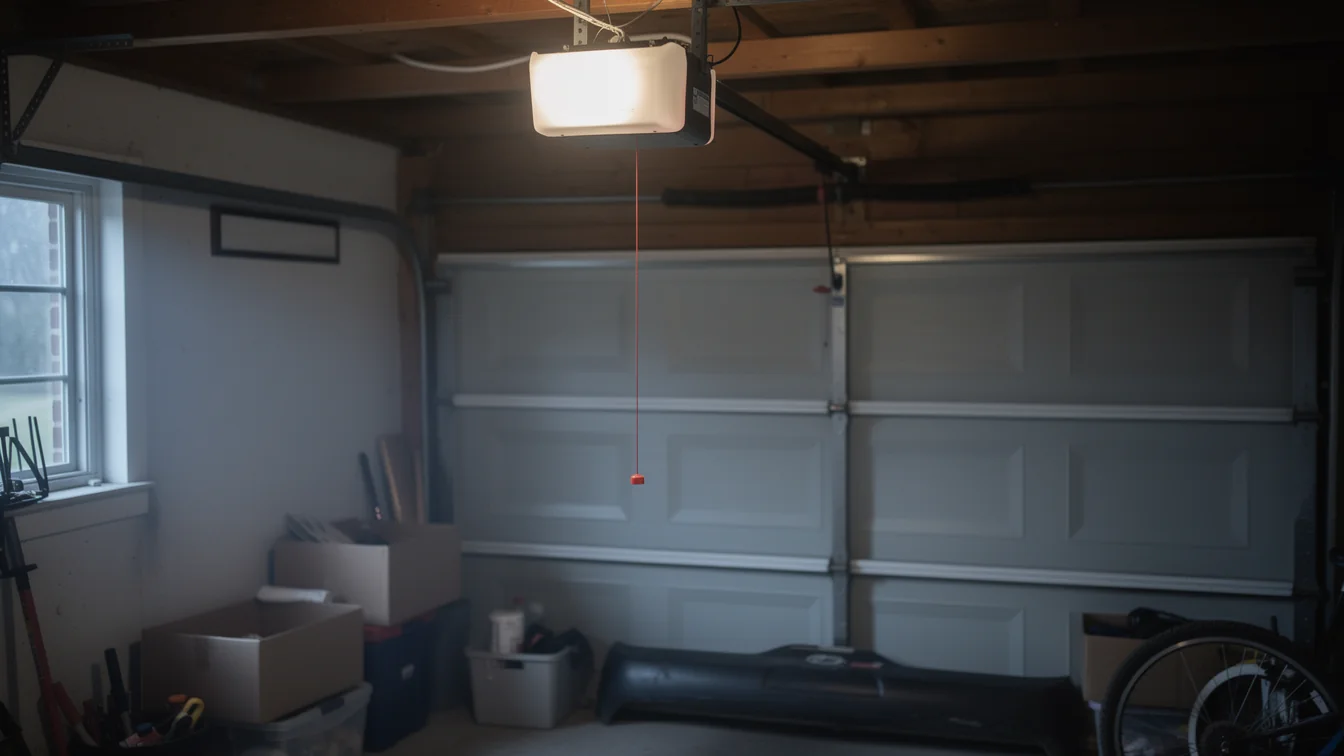
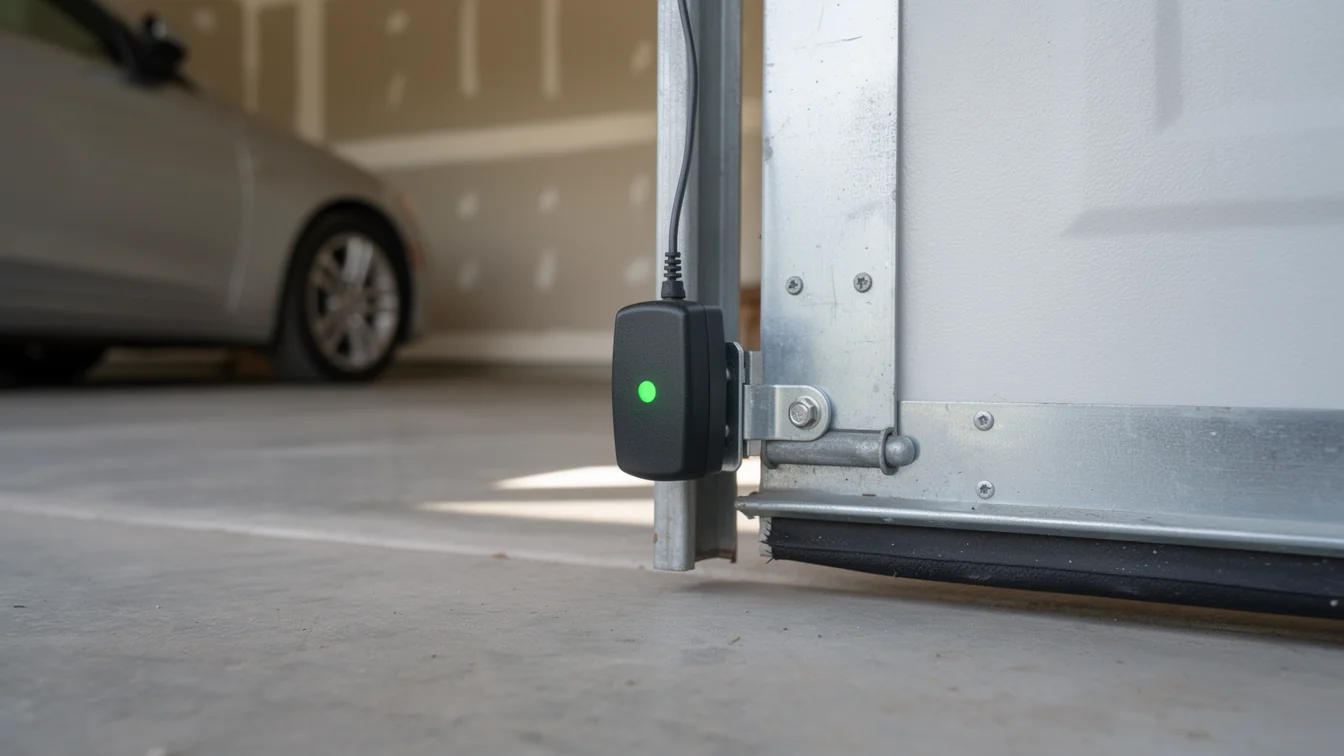
Most of the garages around Syracuse went up between 1938 and 1987, with the bulk of the stock from the 1960s and 70s across neighborhoods like Eastwood, Westside, and Northside. Those openers and tracks have been through fifty-plus winters of freeze and thaw, and the original framing has settled more than a newer build would. When the two safety sensors at the bottom of the track won't hold a steady light no matter how many times you nudge them, that's usually not a sensor problem - it's the bracket or the track itself that's shifted with the house. If you're re-aiming them more than once a season, or the door reverses randomly even when nothing's blocking the path, you're past the point where tightening a screw fixes it. That's a call, not a weekend project. The honest limit here: if the bracket is rusted through or the track is bent from decades of settling, replacing the mount is the fix, not another round of alignment. Trying to shim a bent track to make sensors line up just means you're back out there in a month doing it again.
The area
What Local Conditions Do
Syracuse sits in a cold, severe climate band, and that matters more for sensor alignment than people expect. The metal brackets holding your sensors contract in deep cold and expand again once the garage warms up, and on a house built in the 1960s that bracket has usually been drilled into wood framing that's moved over the decades. Every freeze-thaw cycle is a small nudge. One cycle doesn't do anything. Fifty winters of it on original 1960s-70s hardware is a different story - the bracket screws loosen, the alignment creeps a fraction of an inch at a time, and eventually the sensor eye just can't see straight across the door opening anymore. Concrete slab movement does the same thing from below. If your garage floor has any visible settling or cracking, which isn't unusual on housing stock this age, the slab can tilt the sensor mount just enough to throw off the beam without anything looking obviously wrong.
What we find
What Is Going On
The two sensors need to point at each other in a straight line, low to the ground on either side of the track. On the older openers common in this housing stock, the brackets are often thin stamped metal, not the sturdier plastic mounts you'd see on something installed in the last ten years. Cold makes that metal brittle and more prone to bending if it gets bumped - a bike, a trash can, a kid's bike again. Once it's bent even slightly, the sensor's field of view shifts and the opener either refuses to close at all or closes and reverses for no visible reason. On a house with the original 1960s wiring run to the opener, you'll also sometimes get a loose connection at the sensor terminal that mimics a misalignment problem, which is why checking the wire nuts is worth doing before you assume the bracket is the issue.
How we work
What to Check
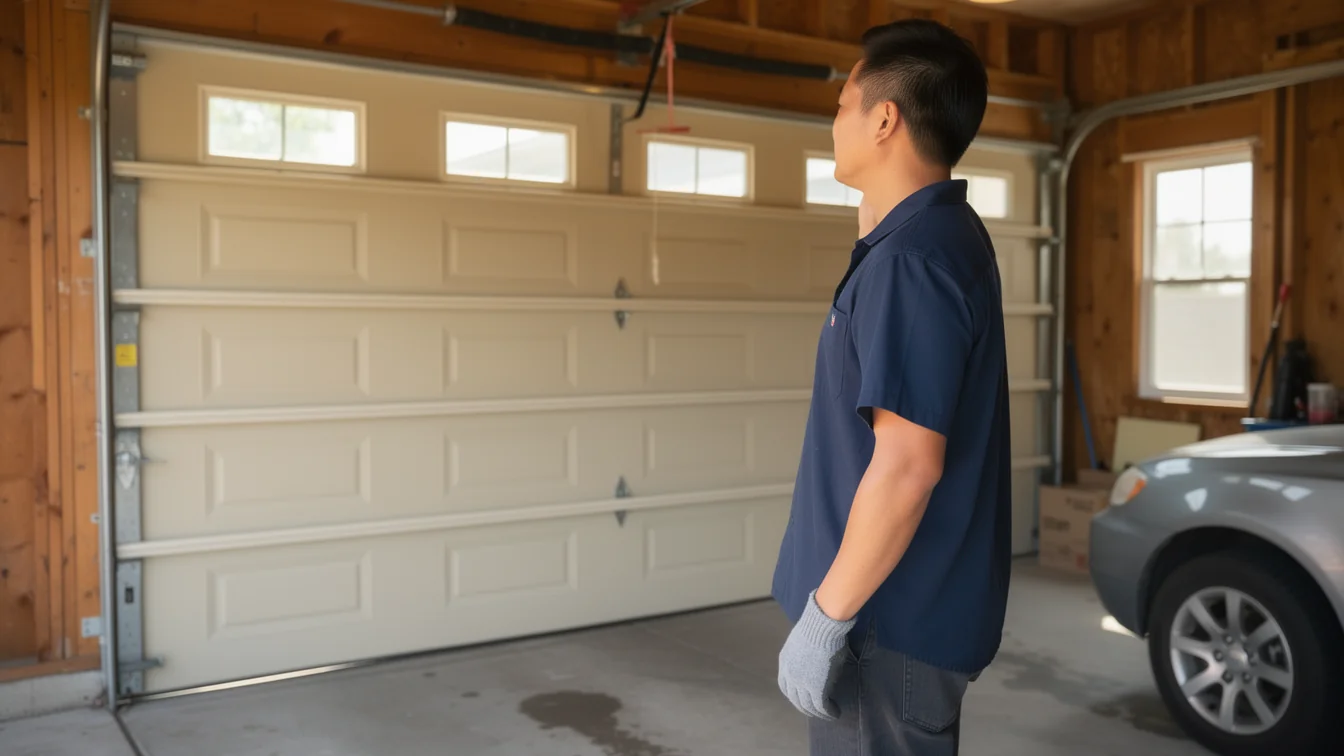
Start by looking at both sensor lenses for dust, cobwebs, or frost - in a cold-climate garage, condensation on the lens is common enough to cause a false reversal on its own. Wipe them clean and try the door again. Next, check that both brackets are still screwed in tight; on older framing it's common for the screws to have worked loose over the years rather than the bracket breaking outright. If both lights are solid and steady but the door still won't close right, look at the track itself for any visible bend or gap where it meets the wall - common on garages from this era where the framing has settled unevenly over sixty-plus years. If you've cleaned the lenses, tightened the brackets, and the track looks straight and the problem's still there, that's when it's worth having someone look at the opener's circuit board rather than the sensors themselves.
Talk to a local pro
Garage door trouble in Syracuse?
Same-day service with honest, upfront quotes.