Syracuse, NY
Garage Door Installation for Syracuse's Older Housing Stock
New garage door installation for Syracuse homes built 1938-1987, matched to original openings and rated for severe cold winters. Serving Westside to Eastwood.
- Garage Door Repair
- New Door Installation
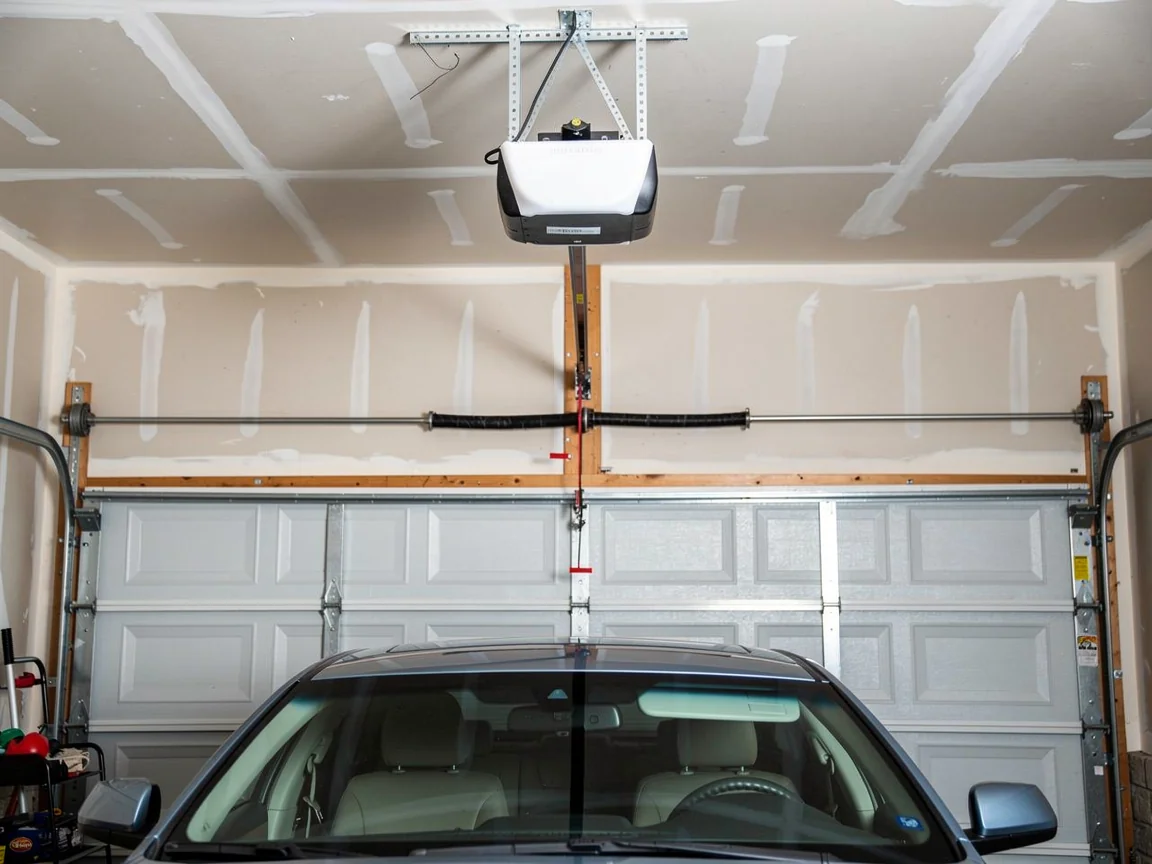
- Springs & Openers
Where This Job Goes Sideways
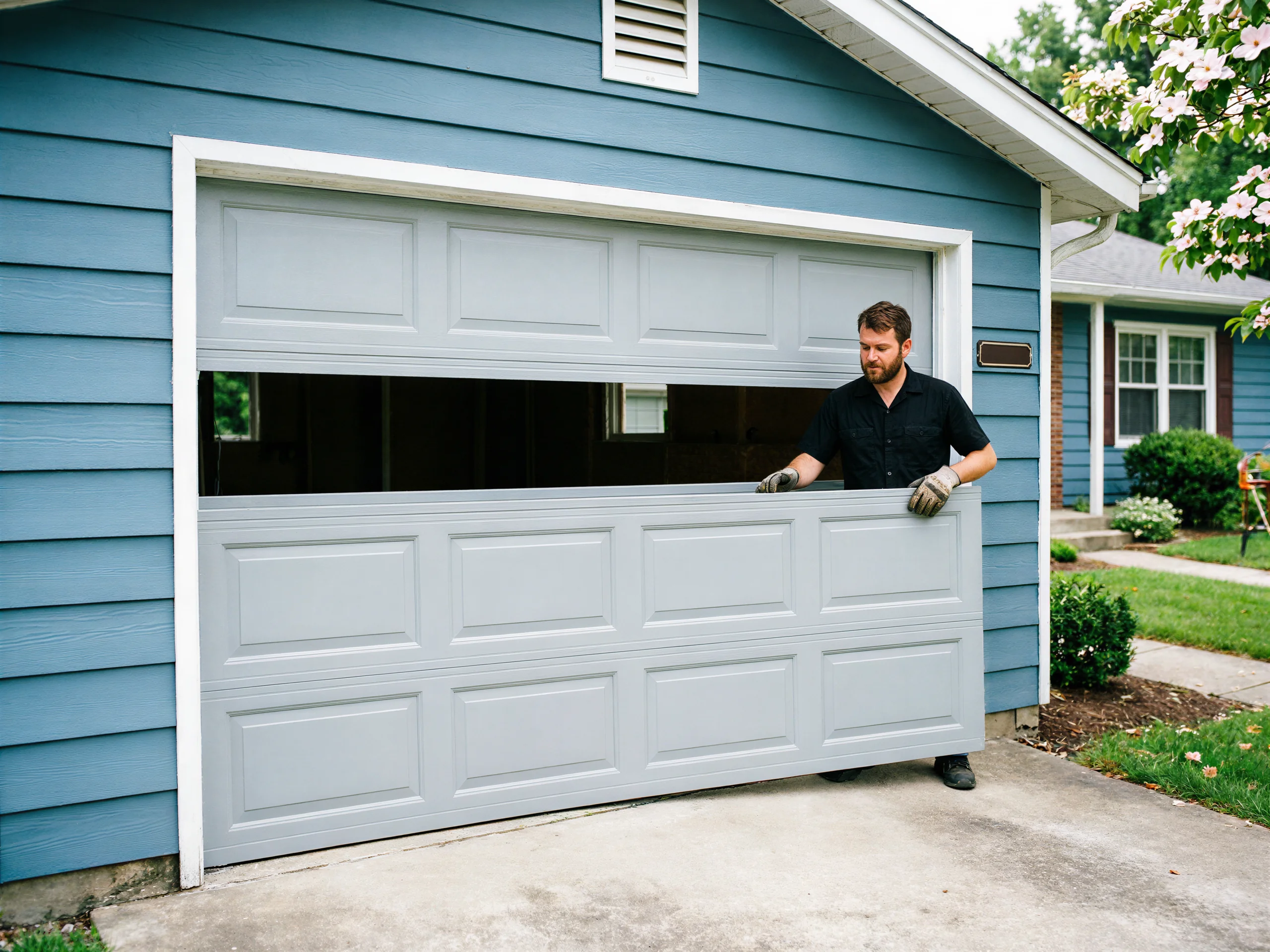
The install itself is usually fine. Where these jobs go sideways is the opening. On a house built well before current sizing became standard, a stock door doesn't always drop into the existing frame without trimming the jamb, re-squaring the header, or building out the track mounts.
Reusing old hardware
Skip that step and you get a door that looks installed but binds in six months. The other place we see trouble: owners who want to reuse the old torsion spring or opener motor to save money.
Insulated weight overload
We get it, but hardware from a 1960s or 70s install wasn't sized for a heavier insulated door, and running a new panel on an old spring is how you end up with a cable snap or a motor burning out within a year.
Avoid mixing hardware eras
Our honest limit here: if the existing hardware is original to the house, we're going to recommend replacing it alongside the door rather than mixing eras. It costs more up front and it's the right call for anyone staying in the house past this winter.
The Cost of This Job
We don't post a flat number here because installation cost on a Syracuse job depends on what's behind the old door, not just what's going in front.
Non-standard opening sizes
A lot of the houses in this service area, from Westside to Eastwood to Lyncourt, were built between 1938 and 1987, with the bulk going up in the 1960s and 70s. That means the opening itself is often non-standard by today's door sizing, the framing may have settled, and the old track was hung for hardware nobody sells anymore.
Jamb rework needs
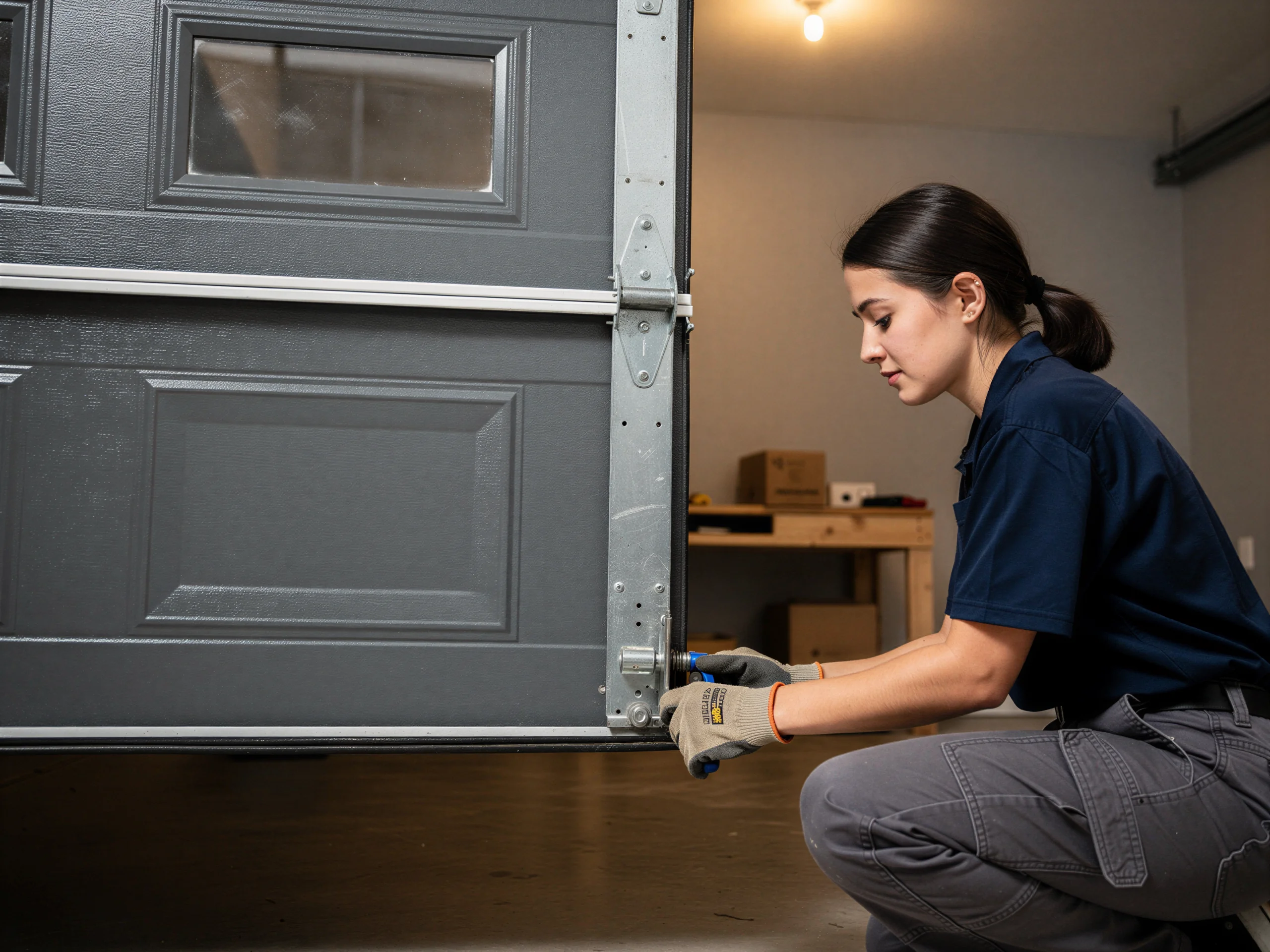
Swapping in a modern door sometimes means reworking the jamb, not just bolting on a new panel. What drives the number up or down: whether we're matching an odd-sized 1960s opening or installing into a newer, code-standard frame; whether the old track and spring system gets pulled entirely or partially reused; and whether you want a door rated for the cold we actually get here versus a standard-insulation panel.
Mid-range insulated choices
We'll give you the real number after we look at the opening, not before. With median household income in the service area at $76,094, most owners here are choosing mid-range insulated doors rather than the cheapest option or the premium end - that's just what we see on the trucks most weeks.
Why It Happens Here
Original one-piece or early sectional doors from the 1960s and 70s weren't built for the insulation standards or the wind and snow load expectations we design to now. In a climate band like ours, rated severe cold, an uninsulated or thin-panel door from that era lets heat walk straight out of an attached garage, and the metal itself flexes more in a hard freeze than a modern door core does. That flex is what eventually cracks old panels and loosens old track brackets.
Across the 41 named areas in this service territory, the housing stock runs heavily 1960s-70s, so this isn't a one-off problem - it's the default condition of a huge share of the garages we get called to. Add decades of freeze-thaw cycling on the slab and header, and you get openings that have shifted just enough that an off-the-shelf door doesn't sit right without some adjustment at install. That's the job, more often than not: not a straightforward swap, but a fit problem first and a door choice second.
The Symptom
The giveaway isn't always a door that won't open. More often it's a door that opens unevenly, drags on one side, or leaves daylight along one edge when it's shut.
Racked track from settling
On the older housing stock common here, that's usually the track having racked slightly out of parallel over fifty-plus years of the house settling, not a defect in the door itself.
Salt-driven bottom rust
You'll also see rust bloom at the bottom panel on doors that have taken decades of Syracuse winters - road salt and slush working into seams that a newer coated panel resists better.
Cold garage panel loss
Another pattern on 1960s-era garages: the door looks fine but the garage runs noticeably colder than the rest of the house in January. That's the panel, not the opener. If you're planning to replace anyway, that's worth factoring into the decision rather than patching a 60-year-old door and living with the heat loss another winter.
Questions
Common questions
Will a new door fit my original 1960s opening without rebuilding the frame?
Sometimes, but not always. A lot of openings from that era are sized differently than today's standard doors, and decades of settling can leave the jamb slightly out of square. We check the opening before quoting so you know up front whether it's a straight swap or needs framing work.
Do I need an insulated door for a Syracuse winter?
If the garage is attached or you use it as a workspace, yes - our climate band is rated severe cold, and an uninsulated panel lets a lot of heat escape through an attached wall. If it's a detached, unheated garage, a standard door is often fine.
Can I keep my old opener and just replace the door?
Sometimes, but we won't recommend it if the opener and spring are original to a 1960s or 70s install. Older hardware usually wasn't sized for a heavier modern insulated panel, and the mismatch tends to show up as a burned-out motor or a snapped cable within the first year.
Explore more
Explore More Services In Syracuse, NY
Garage Door Repair for Syracuse's Older Housing Stock
Garage door repair for Syracuse homes built mostly between 1938 and 1987, where cold-climate wear hits torsion springs and original hardware hard. Learn more →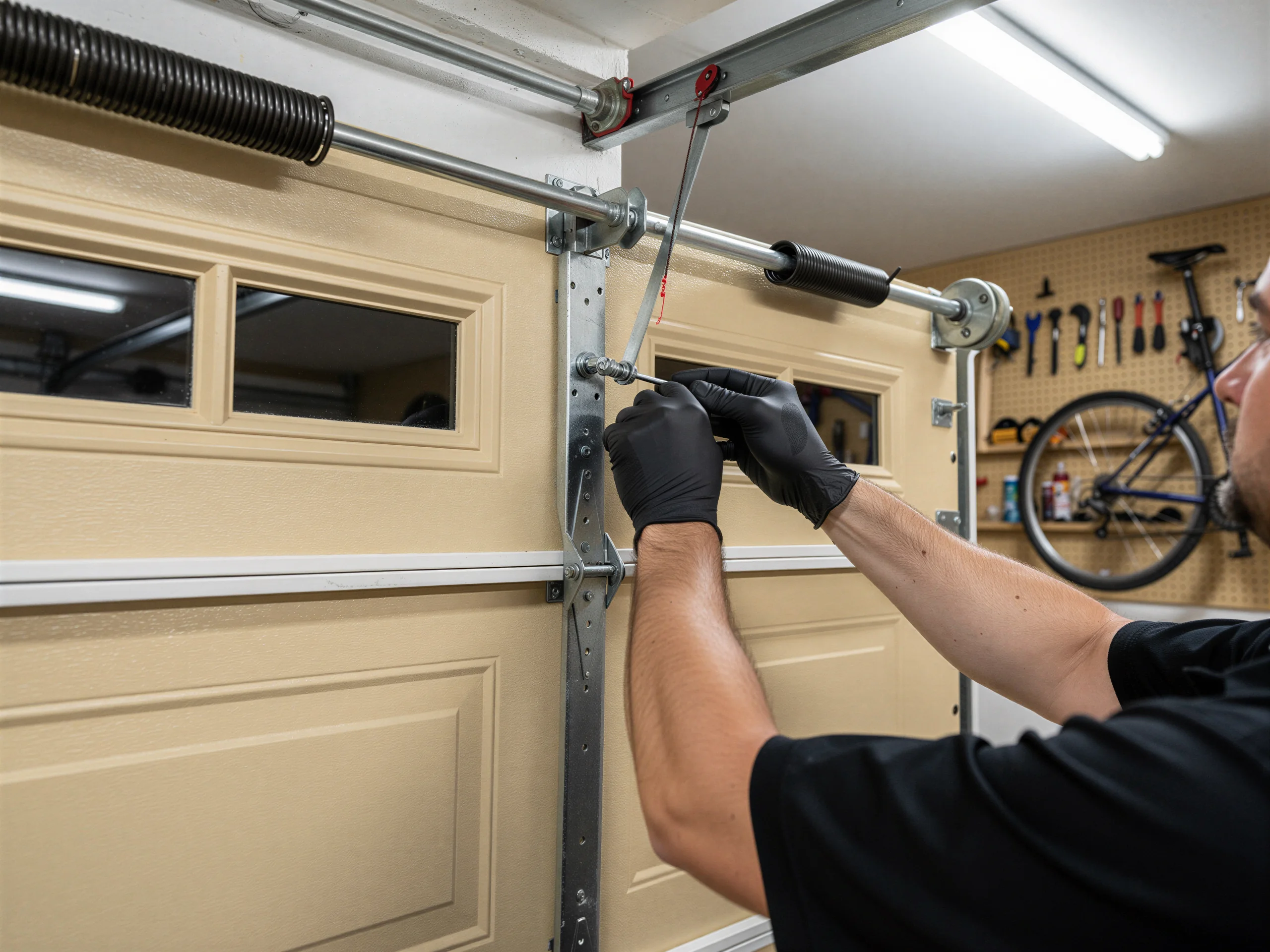
Garage Door Service for Syracuse's Older Housing Stock
Garage door service for Syracuse homes built mostly between 1961 and the 1980s, sized for the cold-climate wear that breaks springs and openers here. Learn more →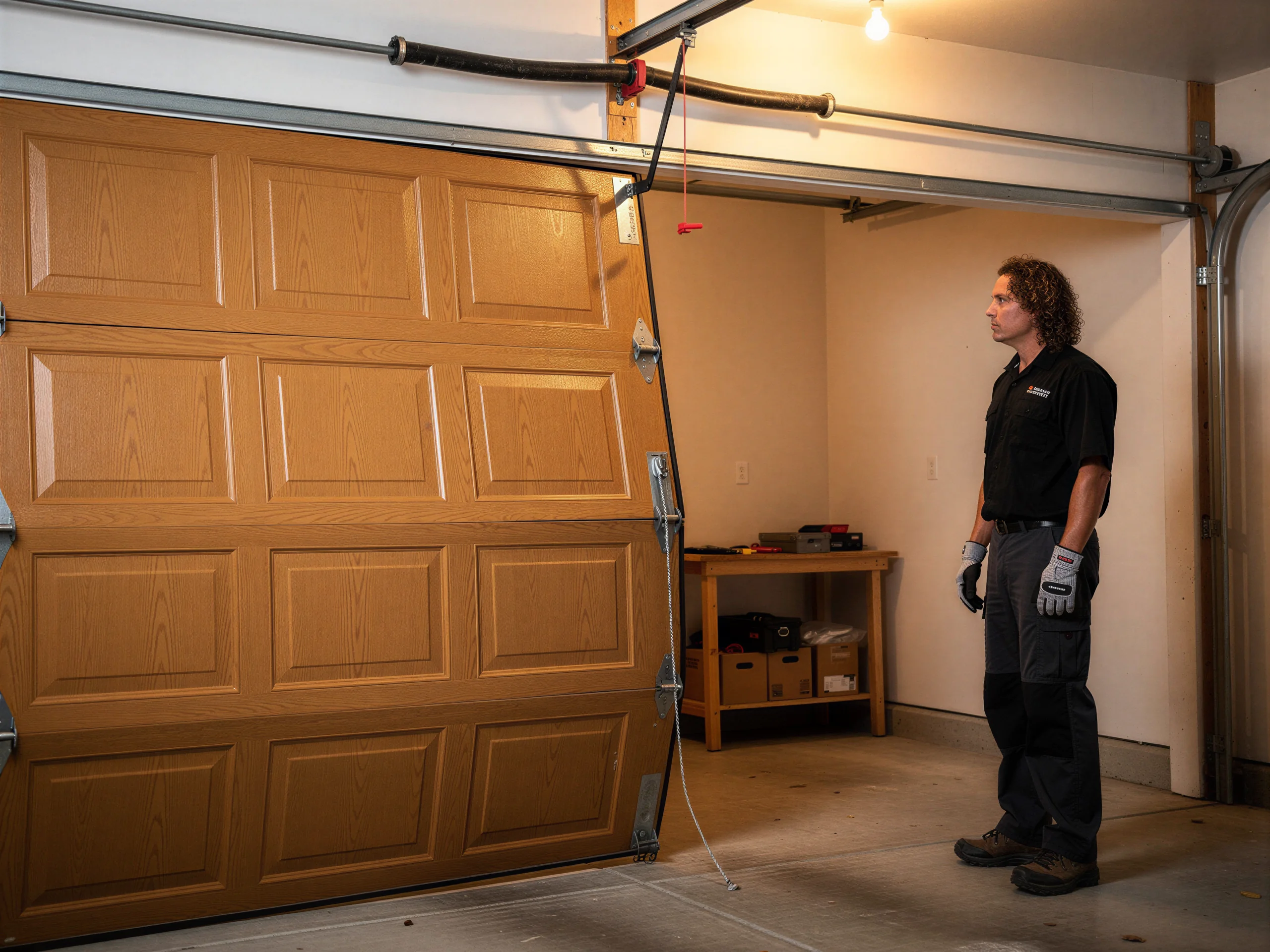
Garage Door Cable Repair for Syracuse Homes
Broken or frayed garage door cables are common in Syracuse's 1960s-era housing stock and cold winters. Learn more →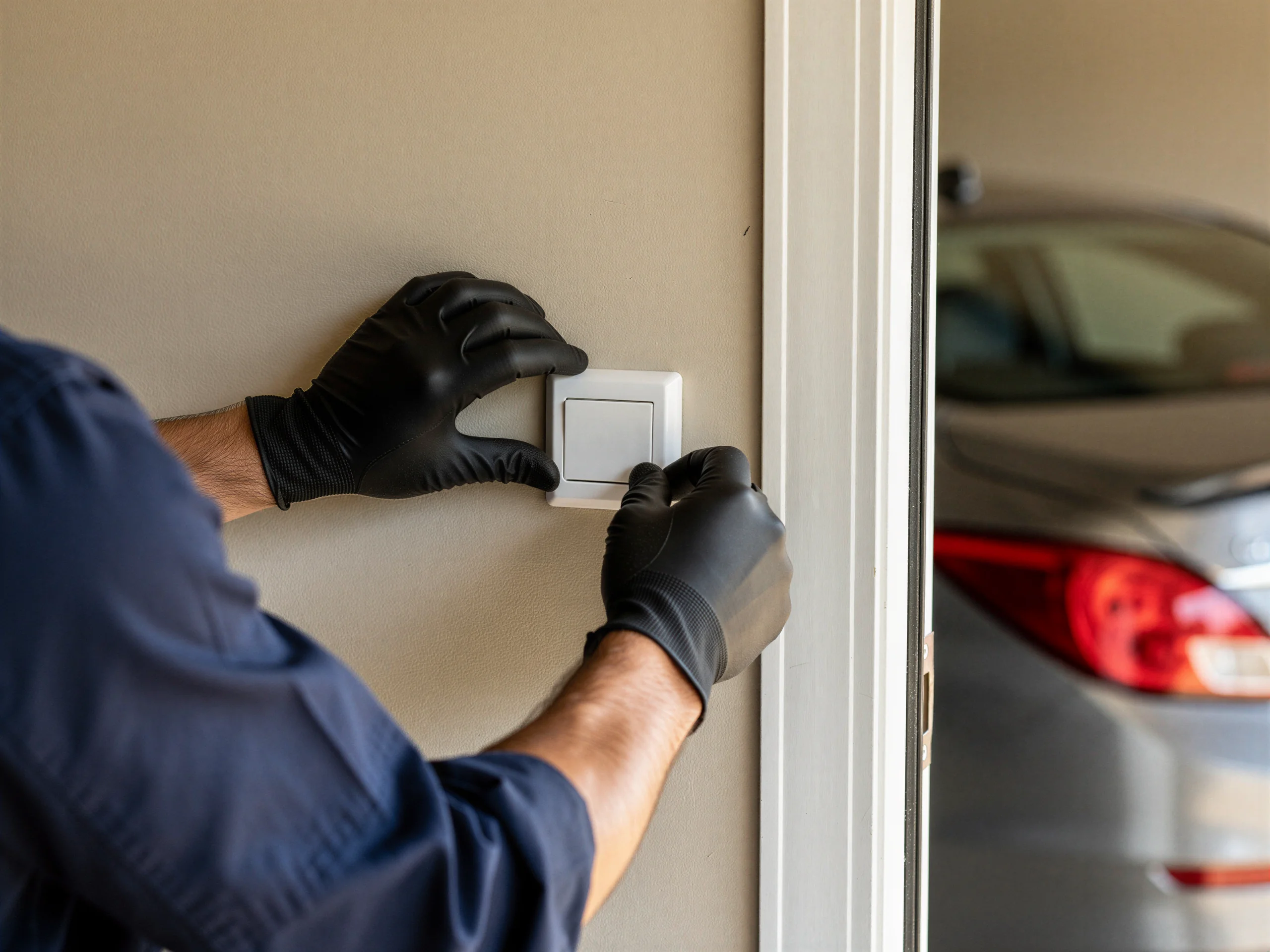
Garage Door Opener Installation for Syracuse Homes
Opener installs and swaps for Syracuse homes built mostly in the 1960s and 70s, sized for cold-band winters and the city's older garage framing. Learn more →
Emergency Garage Door Repair in Syracuse
Broken spring or dead opener in Syracuse's cold snap? Learn more →
Garage Door Panel Replacement for Syracuse Homes
Panel replacement for Syracuse homes built 1938-1987, where cold-climate dents and rust meet steel sectional doors original to the house. Learn more →Ready when you are
Ready for a new garage door in Syracuse?
Syracuse Garage Door Pros repairs and installs garage doors, springs and openers in Syracuse, NY and the surrounding area.