Local detail
When It Stops Being a DIY Job
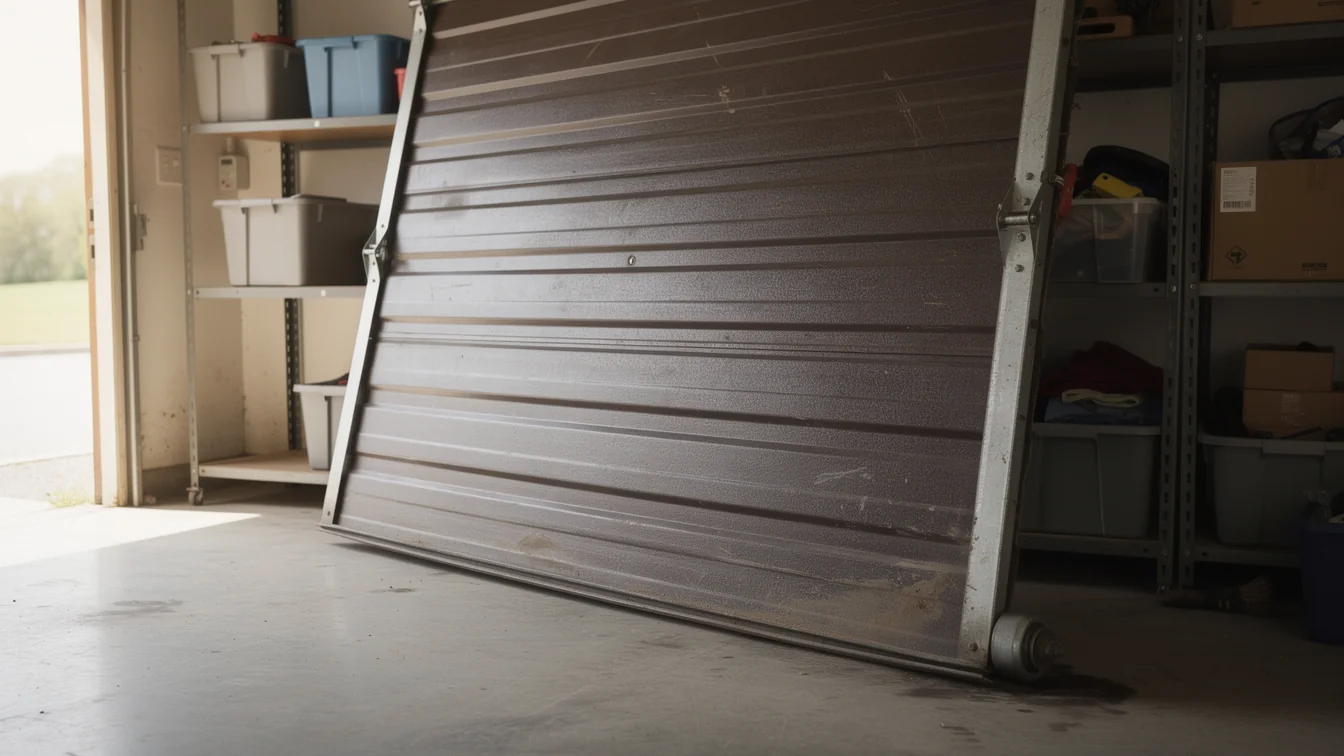
Most houses around Syracuse, from Eastwood to Westvale, went up between 1938 and 1987, with the bulk of that stock dating to the 1960s and 70s. That matters because doors and openers from that era were built heavier and simpler than what's sold today, and a lot of them are still running on original or first-replacement hardware. If the noise is a single pop followed by the door refusing to lift, stop. That's almost always a broken torsion spring, and a spring under tension is not a part you loosen yourself, no matter how many YouTube videos make it look easy. If the noise is a rhythmic thunk that gets louder as the door travels, you're likely looking at a bent track or a roller that's finally given out after decades of Syracuse winters working the steel. A grinding whine from the opener motor, especially on a unit that's clearly older than the house's last remodel, usually means the gear is stripping, and that's a part-swap or opener-replacement call, not a lubrication fix. We're honest that some of these jobs take one visit and some take a parts order, depending on what's actually failed.
The area
What Local Conditions Do
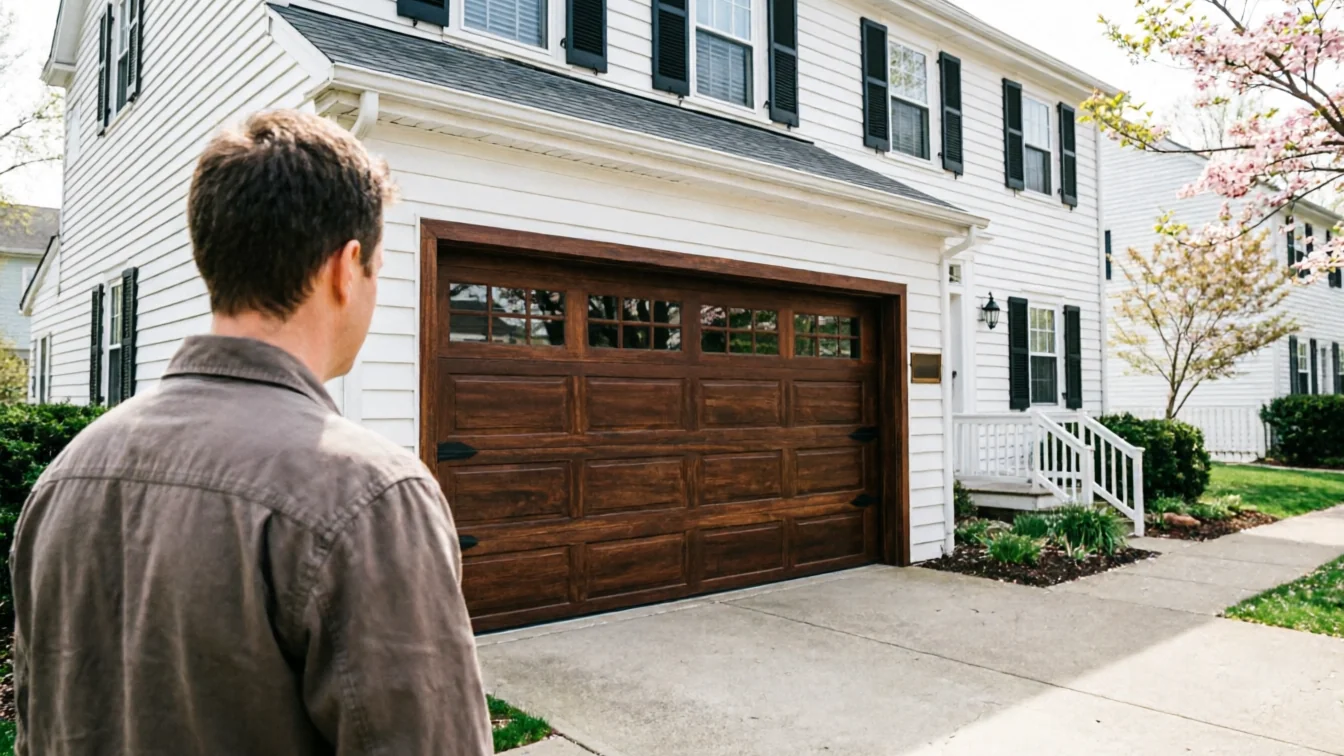
Syracuse sits in a cold, severe climate band, and that does specific things to a garage door system that a mild-climate town never deals with. Steel contracts in deep cold, which tightens tolerances on tracks and hinges that were set level back when the garage was built, sometime between 1938 and 1987 for most homes here. Repeated freeze-thaw cycles work moisture into bearing points on rollers and hinges, and if that moisture sits, it rusts the pivot points on the older galvanized hardware common in this area's housing stock. Salt and slush tracked in off driveways accelerates that corrosion on the bottom bracket and the first few feet of track, which is exactly where we hear the worst squeals and grinds. None of this is dramatic on its own, but it compounds year over year, and a door that was quiet in September can start complaining hard by January once the cold sets in and metal stops moving the way it did in summer.
What we find
What Is Going On
A scraping sound low on the track, right where the door meets the floor, usually points to a bent bottom section or a roller that's worn its bearing out, both common failures on doors original to the 1960s-70s builds that make up most of this area's 41 named neighborhoods. A sharp bang mid-cycle is almost always a cable jumping its drum, which on an older torsion system can happen when the drum itself has worn a groove over enough winters of cold-stiffened cable. A steady rattle through the whole cycle, rather than one bad spot, often means the track brackets have loosened from the framing, something that shows up more on houses built before modern fastening standards were common. If the opener itself hums but the door doesn't move, that's a motor or capacitor issue inside the unit, not the door hardware, and it's worth knowing the difference before you start taking panels apart.
How we work
What to Check
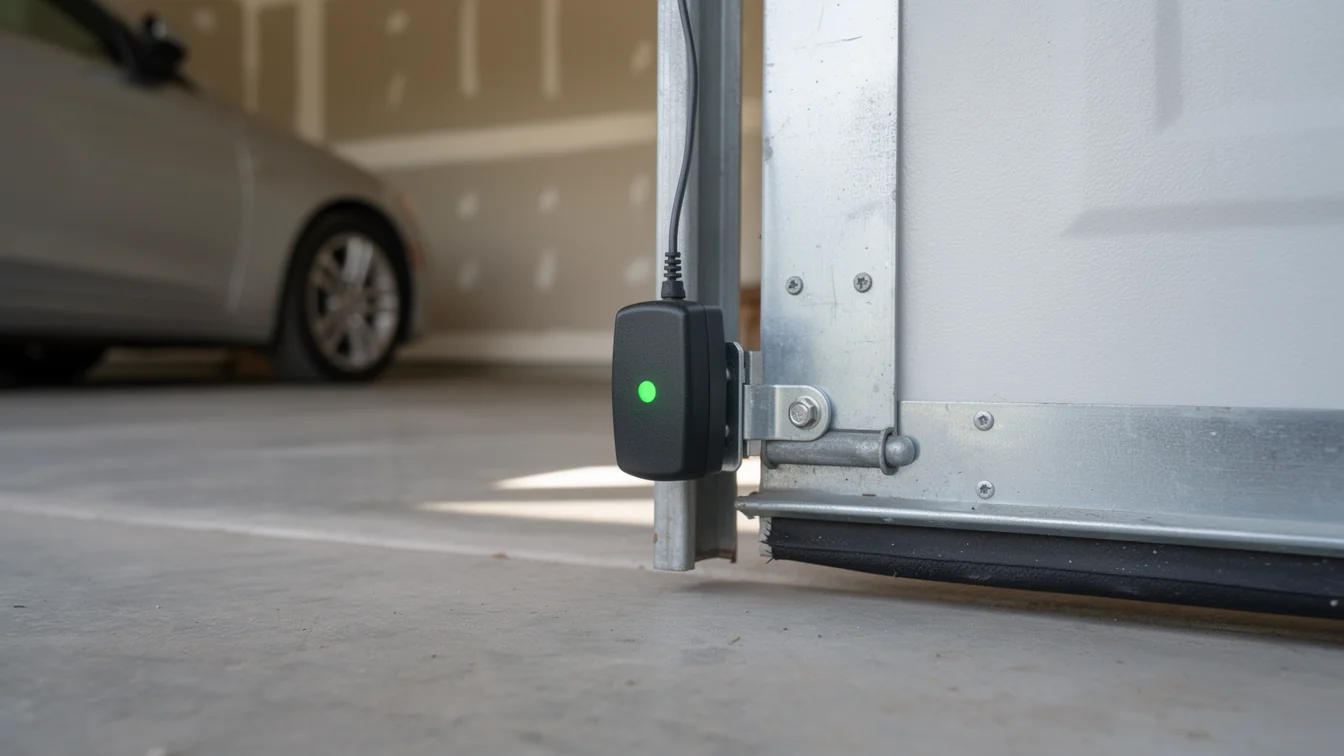
Before you call anyone, look at three things. First, pull the emergency release and try lifting the door by hand - if it's heavy, uneven, or won't stay up on its own, the springs are doing less work than they should, and that's not a lubrication problem. Second, run a flashlight along both tracks for rust pitting or bent spots, which show up more on homes with garages dating to the earlier end of our 1938-1987 range. Third, check the rollers themselves for flat spots or visible wear; on original hardware from the 1960s stock common across this area, that wear is often decades in the making and worth replacing as a set rather than one at a time. What we won't tell you to do is force a stuck door with the opener still engaged, or keep running a motor that's grinding - both turn a parts job into a full-system replacement. If what you find matches any of the above, it's a call, not a weekend project.
Talk to a local pro
Garage door trouble in Syracuse?
Same-day service with honest, upfront quotes.