Westvale, Syracuse
Cable Repair for Westvale's 1950s Garage Doors
Westvale homes went up around 1955, a few years ahead of the Syracuse median. That earlier build era shapes which cable drums and drum styles we bring on the truck.
- Garage Door Repair
- New Door Installation
- Springs & Openers
The DIY Question
A garage door cable is under real tension even on a door that looks still, and on an extension-spring system from this era, the spring behind it is too.
Under-load injury warning
We don't recommend homeowners replace these themselves - not because it's impossible, but because the failure mode when it goes wrong is a cable or spring releasing under load, and that's a hand or face injury, not a scratched knuckle.
Look-only homeowner checks
What you can safely do yourself is look: check whether the cable is visibly frayed at the drum or pulley, note whether the door hangs level, and leave the opener alone until it's fixed.
Two-car cable pairing
If you've got a two-car door, know that both cables usually fail around the same age even if only one has let go yet - worth mentioning when you book, since replacing both at once on a job this age can save a second visit.
What the Fix Involves
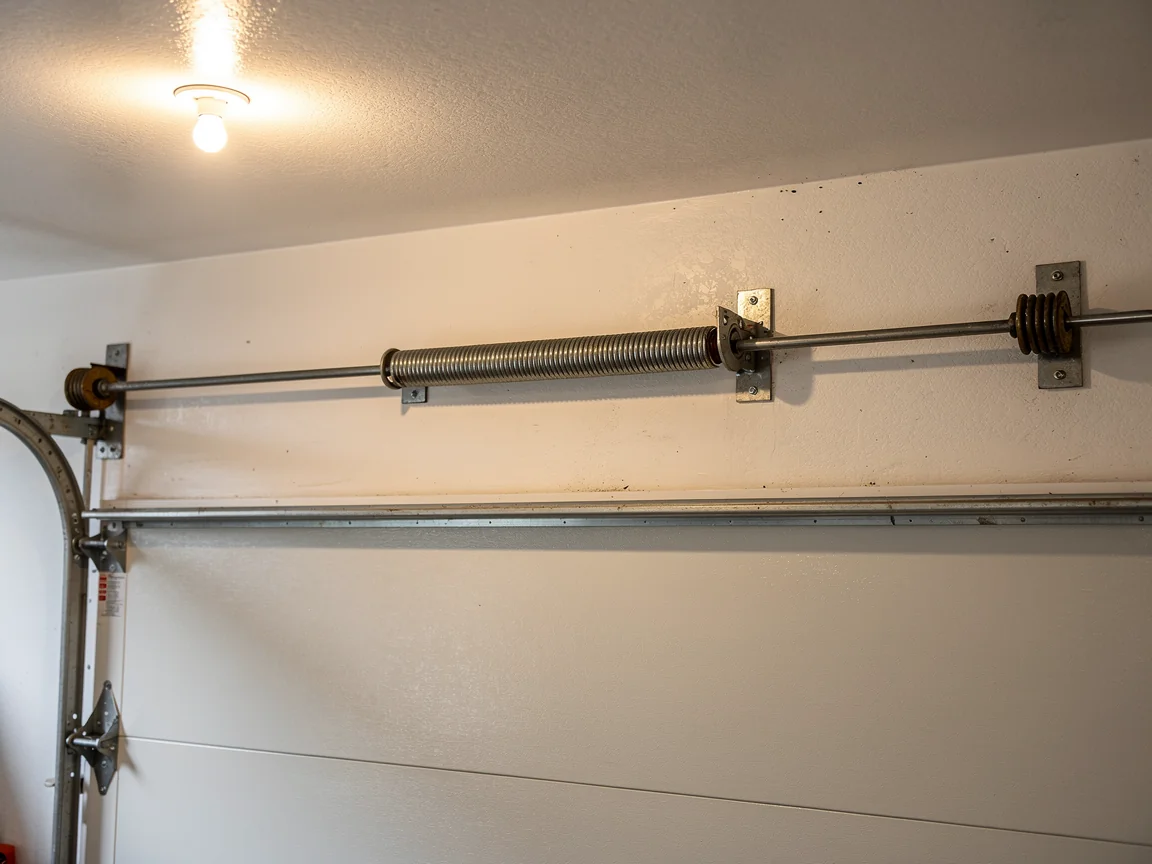
The job starts with releasing tension safely, which on an extension-spring door from this era means caging or securing the spring before touching the cable, since there's no torsion bar to lock off the way there is on newer setups.
Groove and bracket inspection
We replace the cable itself, inspect the drum or pulley it rides on for a worn or chipped groove, and check the bottom bracket the cable attaches to, since a bent bracket is often what started the fraying in the first place.
Bundled roller and track wear
If the door is original to a 1955 build, we'll also look at whether the track and hinges are original - cable problems on a door this old sometimes come bundled with worn rollers or a track that's drifted out of alignment, and replacing just the cable without addressing those leaves you back at this point within a year or two.
Keep sound 1950s doors
We don't push a full door replacement on a door that's otherwise sound just because it's old; a lot of these 1950s doors are solidly built and worth keeping in service.
The Symptom
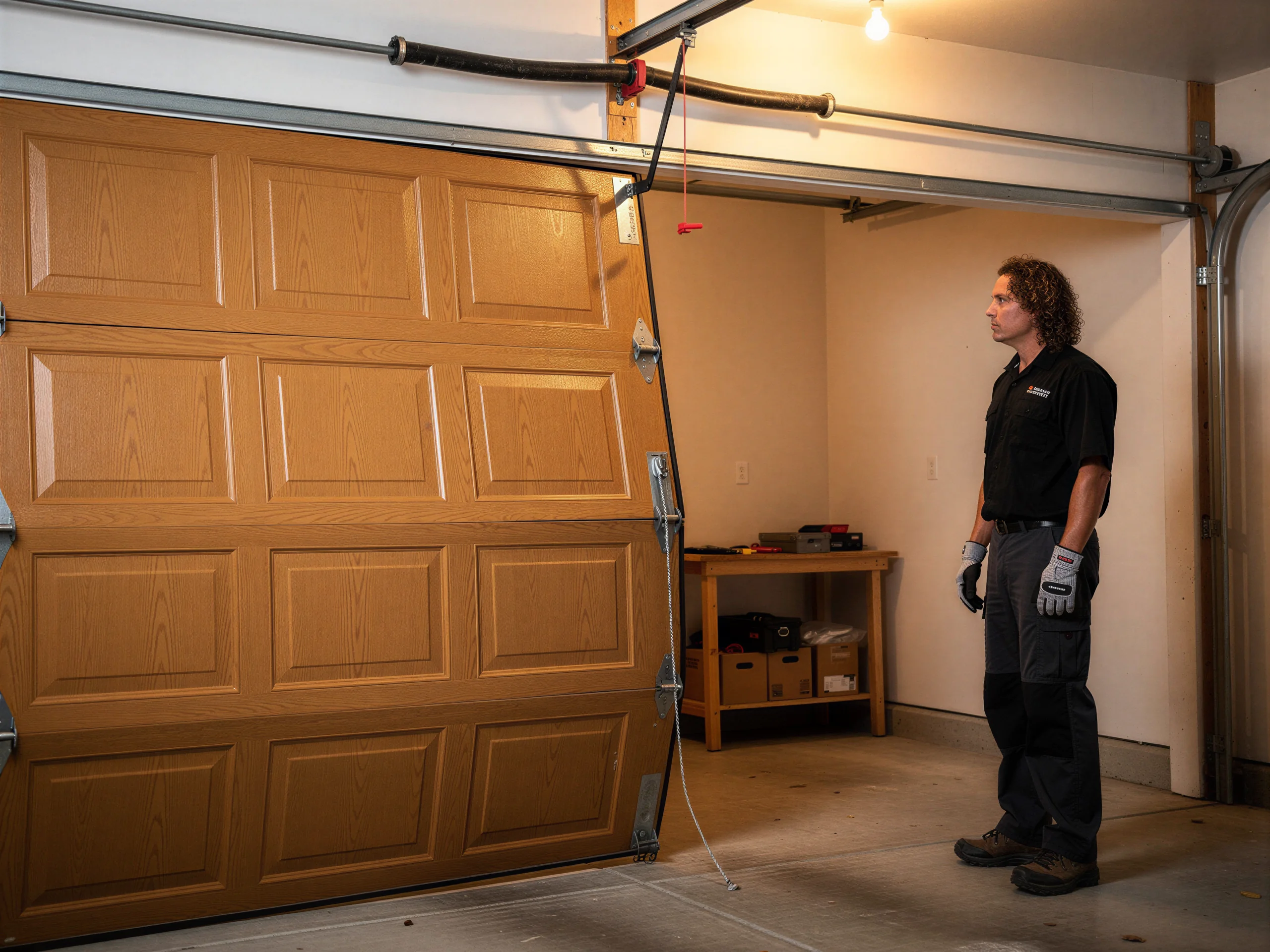
A frayed or snapped cable on a Westvale door usually shows up one of two ways. Either the door hangs crooked - one side noticeably lower than the other - because one cable let go while the other is still holding, or the door won't move at all and you can see a loose coil of cable or a dropped spring on one side when you look up at the track. On older extension-spring doors, a failed cable sometimes lets the whole spring assembly drop and swing loose along the track, which is a different repair than a torsion-side cable off a drum. Either way, this is not a door to force open or closed by hand or with the opener. A door running on one working cable can jump the track or come down unevenly, and that's how the trim or the opener's drive gear ends up damaged along with the cable itself.
Why It Happens Here
Syracuse's winters sit in the severe end of the cold climate band, and cable failure tracks closely with cold. Galvanized aircraft cable doesn't snap from use alone - it snaps from repeated flexing while cold and stiff, especially where it bends around a pulley or winds onto a drum. A door that's seventy-ish years old, which is what a lot of Westvale's original stock now is, has had seventy winters of that flex cycle on the same strands. Add in a garage that isn't heated, which is most of them, and the cable spends five months a year at its stiffest right when it's also working hardest against a door that may have picked up some sag or binding over the decades. The other driver is corrosion at the drum groove - once a few strands fray there, the rest follow fast, usually on the next cold morning when the door gets asked to lift from a dead stop.
What Is on the Truck
Westvale's housing stock centers on 1955, a bit earlier than the 1961 median across the wider Syracuse service area. That five-to-ten-year gap matters more than it sounds like it should, because garage doors from the mid-1950s were still commonly set up with extension springs running along the horizontal track rather than the torsion-and-drum setup that became standard later in that same stretch of homes.
Mixed-era street stock
We carry both styles of cable and drum on the truck specifically because a neighborhood like this mixes eras - a 1955 original door next to a 1970s replacement on the same street.
Extension versus torsion cable
Extension-style cables run from the bottom bracket up over a pulley near the back of the track; torsion cables wind onto a drum at the end of the spring shaft.
Bring both cable types
Guessing wrong and showing up with only one style means a second trip, so for Westvale calls we bring drums in a couple of common diameters and cable in both the galvanized aircraft-cable gauge used on older extension setups and the heavier gauge that torsion drums take.
Booking a Visit
We cover Westvale out of Syracuse, about four miles from the shop, along with the rest of the surrounding service area. There's no local branch here - the truck comes from Syracuse for every call, stocked for both the extension and torsion cable setups common in a neighborhood built mostly around the mid-1950s. If you want to see what else we handle nearby or across the wider area, the Westvale service area page and the Syracuse cable repair page cover the broader picture. For this job, the detail that matters is simple: tell us whether your door hangs crooked or won't move, and whether you know it's original to the house, and we'll bring the right drum size the first time.
Questions
Common questions
Why does my cable keep fraying in the same spot?
Usually it's a worn or chipped groove in the drum or pulley the cable rides on. Once the smooth surface is damaged, every cycle of the door saws at the same few strands until they give. Replacing the cable without replacing or smoothing the drum just restarts the same wear pattern.
Is my 1955 door extension-spring or torsion-spring?
If the springs run along the horizontal tracks on either side of the door, it's extension-spring. If there's a single spring (or two) on a bar straight above the closed door, it's torsion. Homes in Westvale's build era have both, since torsion setups became more common through the late 1950s and 60s.
Can I drive the car out if one cable has snapped?
Not safely. A door on one cable can jump its track or drop unevenly while you're trying to lift it by hand, and that risks the track, the trim, and whoever's standing underneath. Leave it closed and call it in rather than forcing it.
Do you replace one cable or both?
On a two-car door where both cables are the same age, we usually recommend both, since the one that hasn't broken yet is typically close behind. On a single door, or if one cable is clearly newer, we'll replace just the failed one.
Explore more
More Services in Westvale
Emergency Garage Door
Westvale homes date to the mid-1950s, which means specific spring and track failures. Learn more →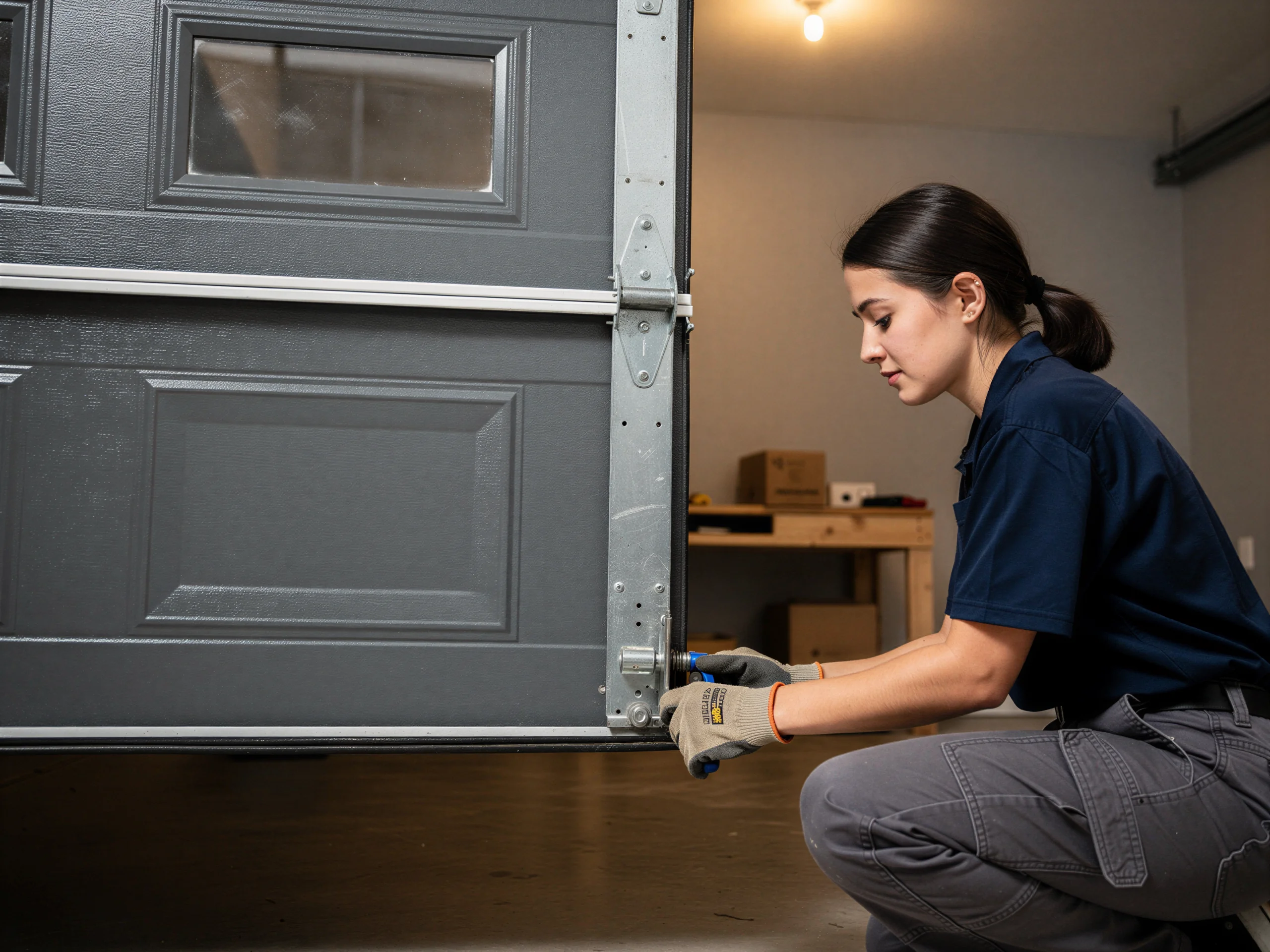
Garage Door Repair
Garage door repair for Westvale's 1950s-era homes, served from Syracuse 4 miles away. Learn more →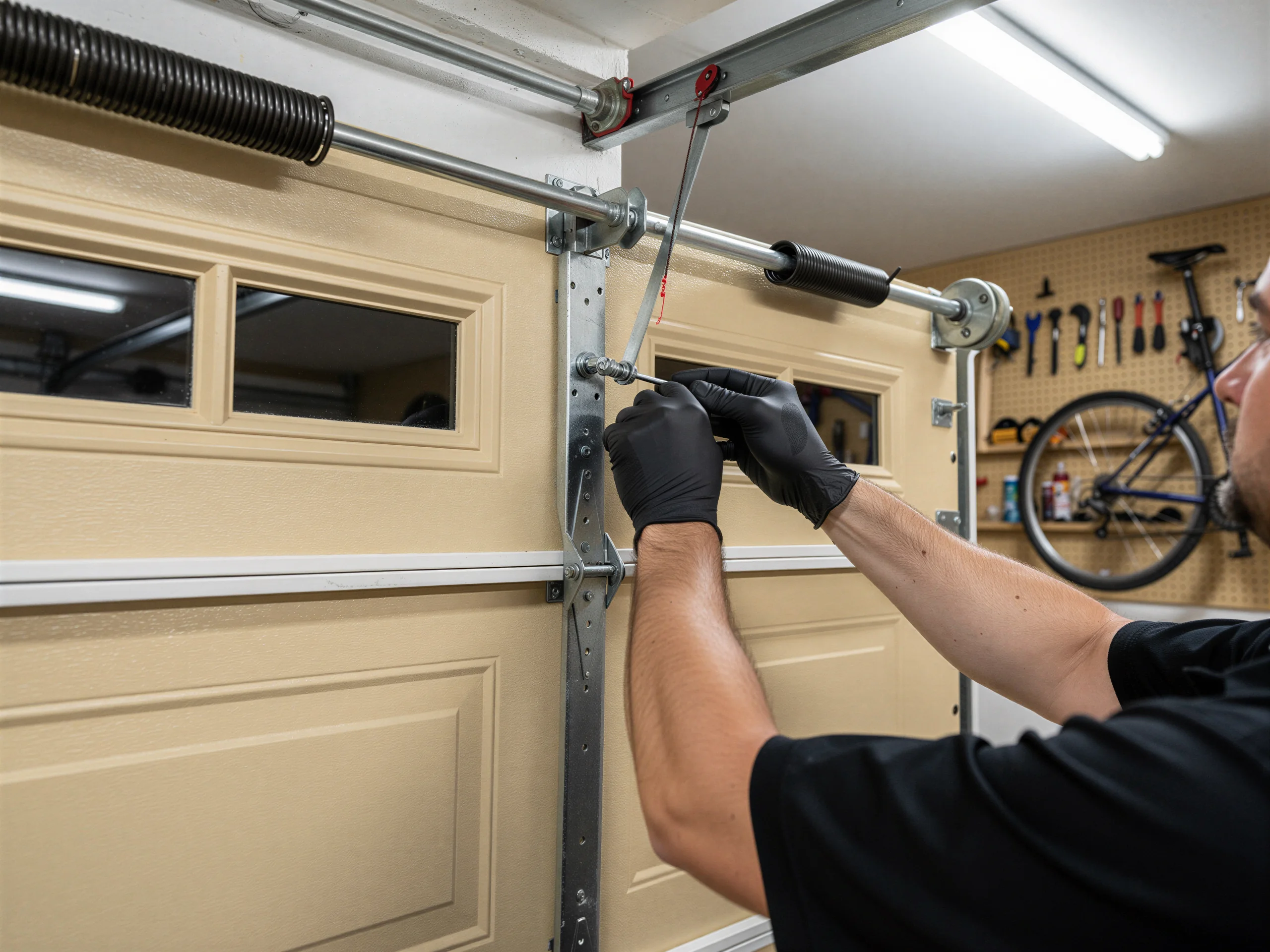
Maintenance
Westvale homes mostly date to 1955 - older hardware than much of the Syracuse service area. Learn more →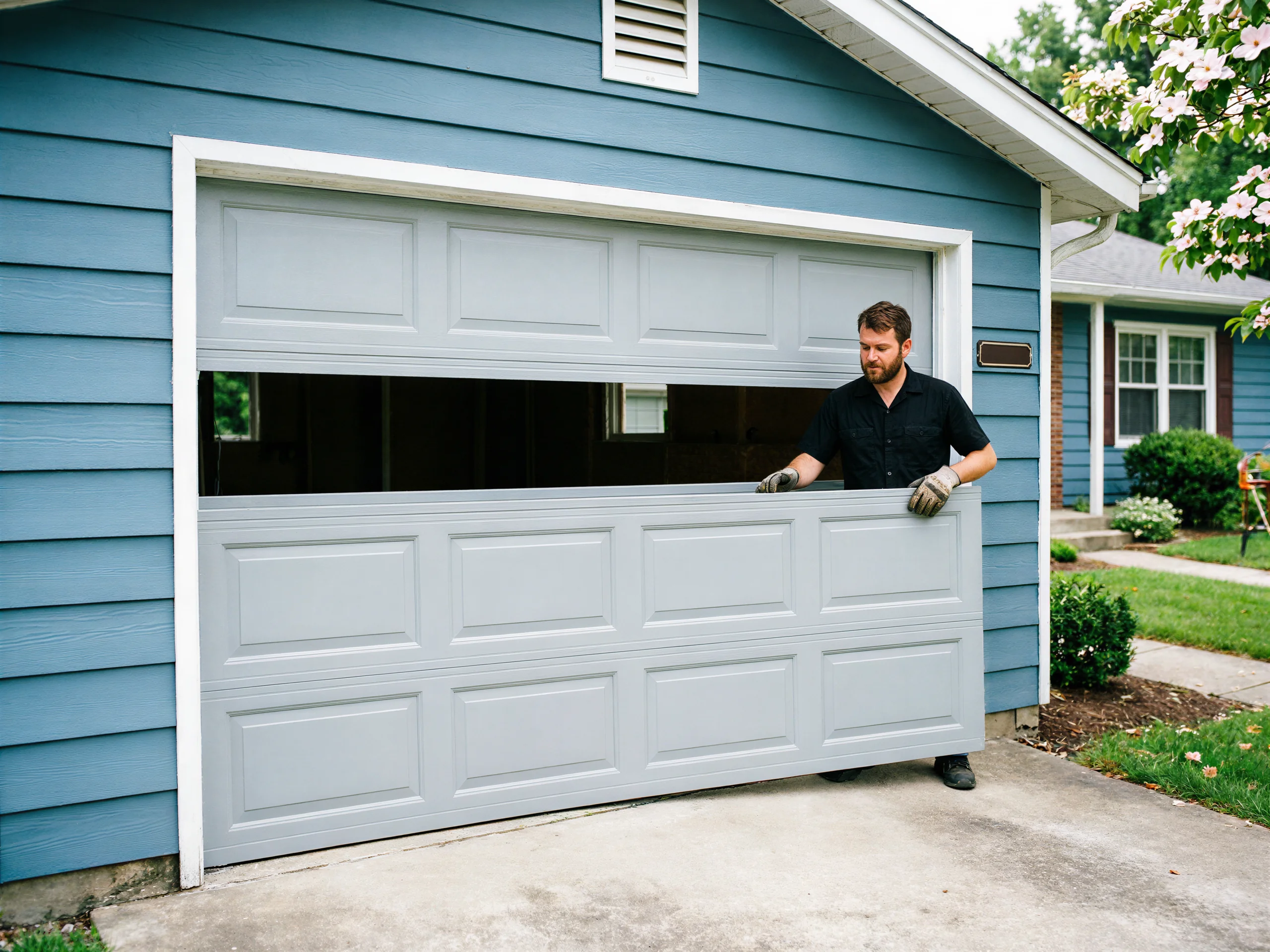
New Door Installation
Westvale homes average 1955 built, with higher household incomes than much of the Syracuse area. Learn more →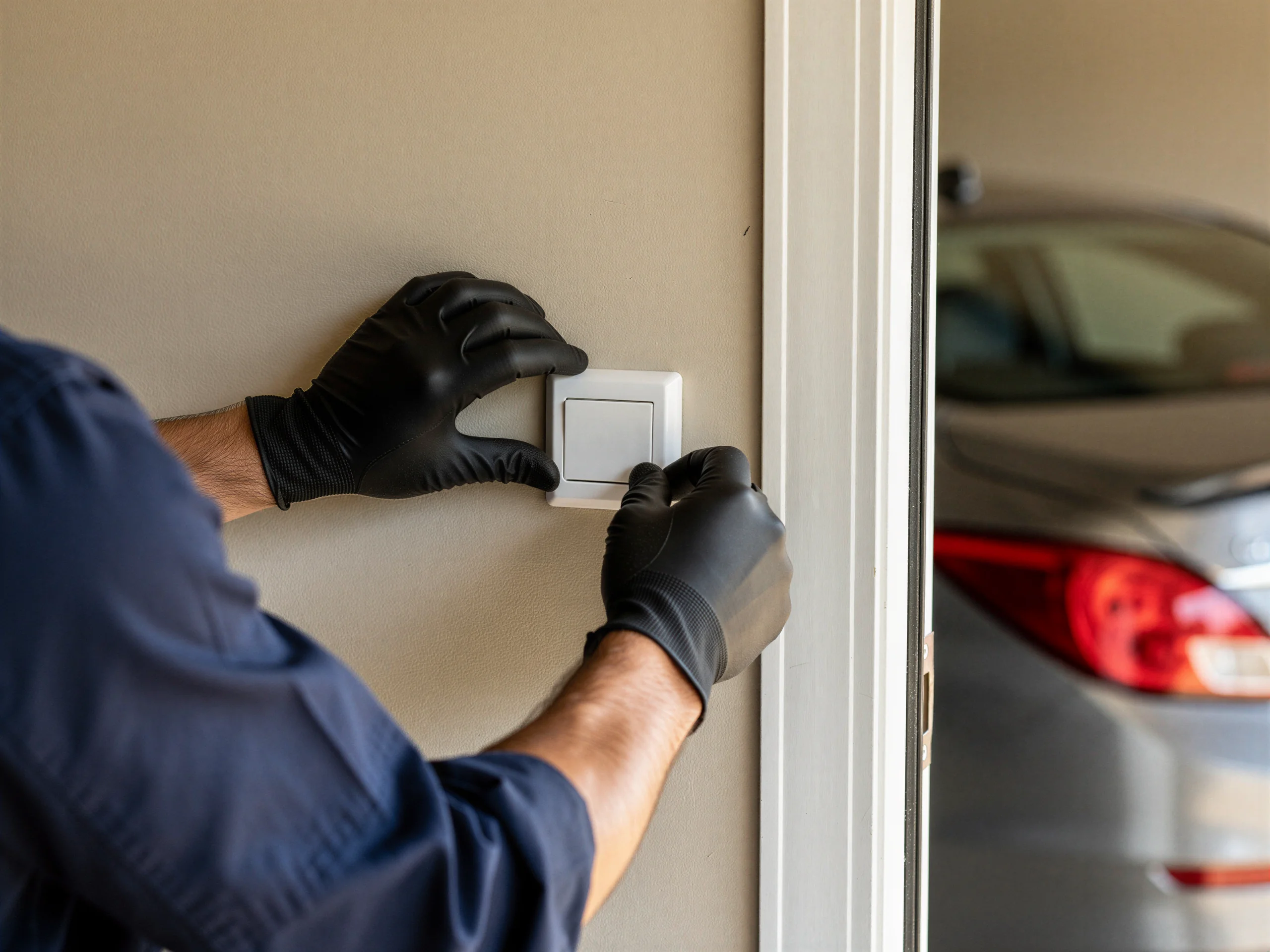
Opener Installation
Garage door opener installation in Westvale, NY, where most garages date to 1955. Learn more →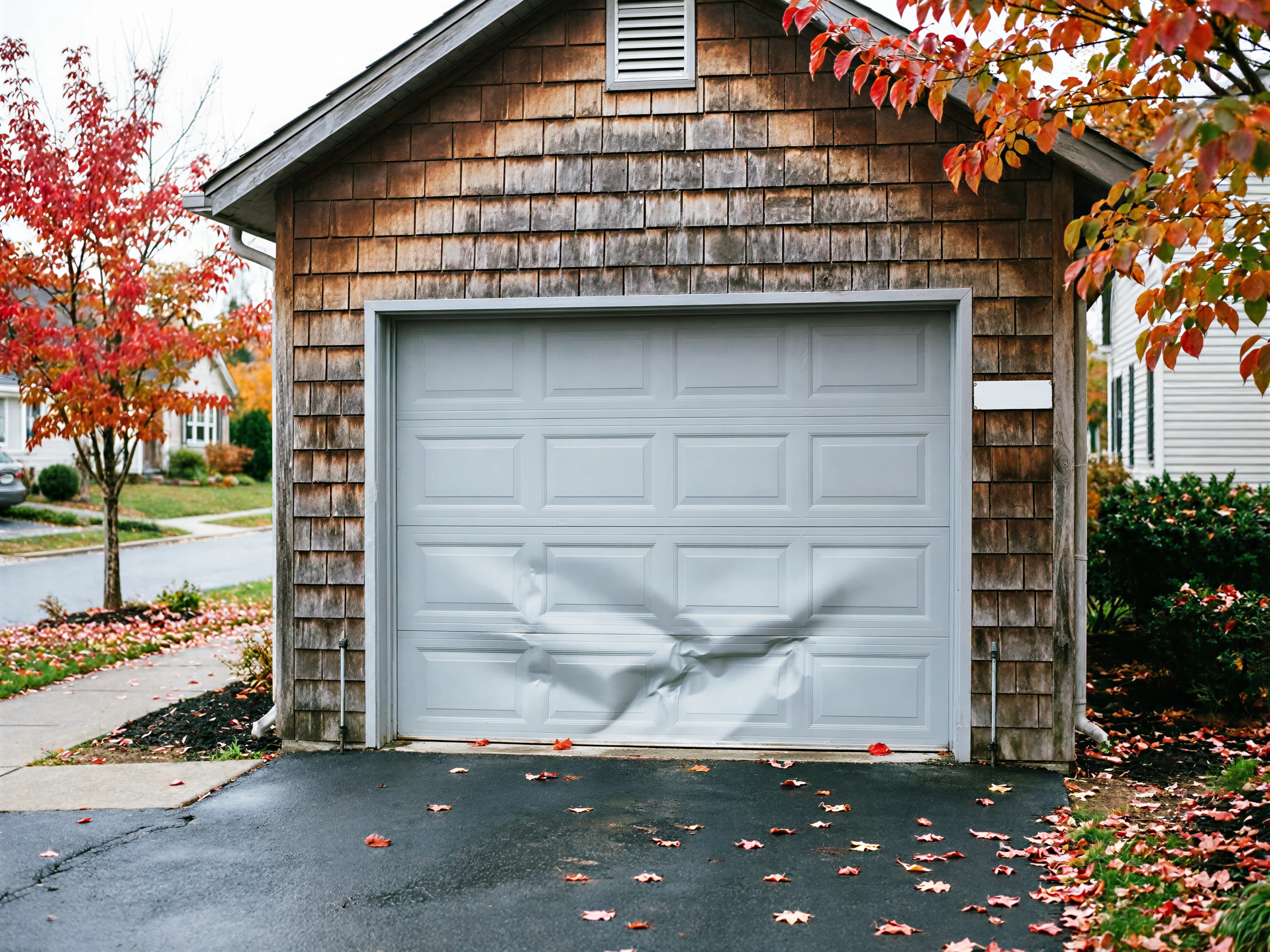
Panel Replacement
Westvale homes mostly date to 1955, which means steel panel doors on hardware sized for that era. Learn more →Ready when you are
Snapped garage door cable in Westvale?
Syracuse Garage Door Pros repairs and installs garage doors, springs and openers in Syracuse, NY and the surrounding area.